Welcome to MENA Art
Exclusive access to galleries and artists across the region etc.
Search the ADAI marketplace by uploading an image and explore visually similar artworks.

Drag an image here

Exclusive access to galleries and artists across the region etc.
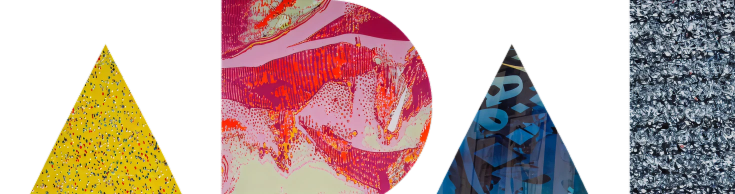
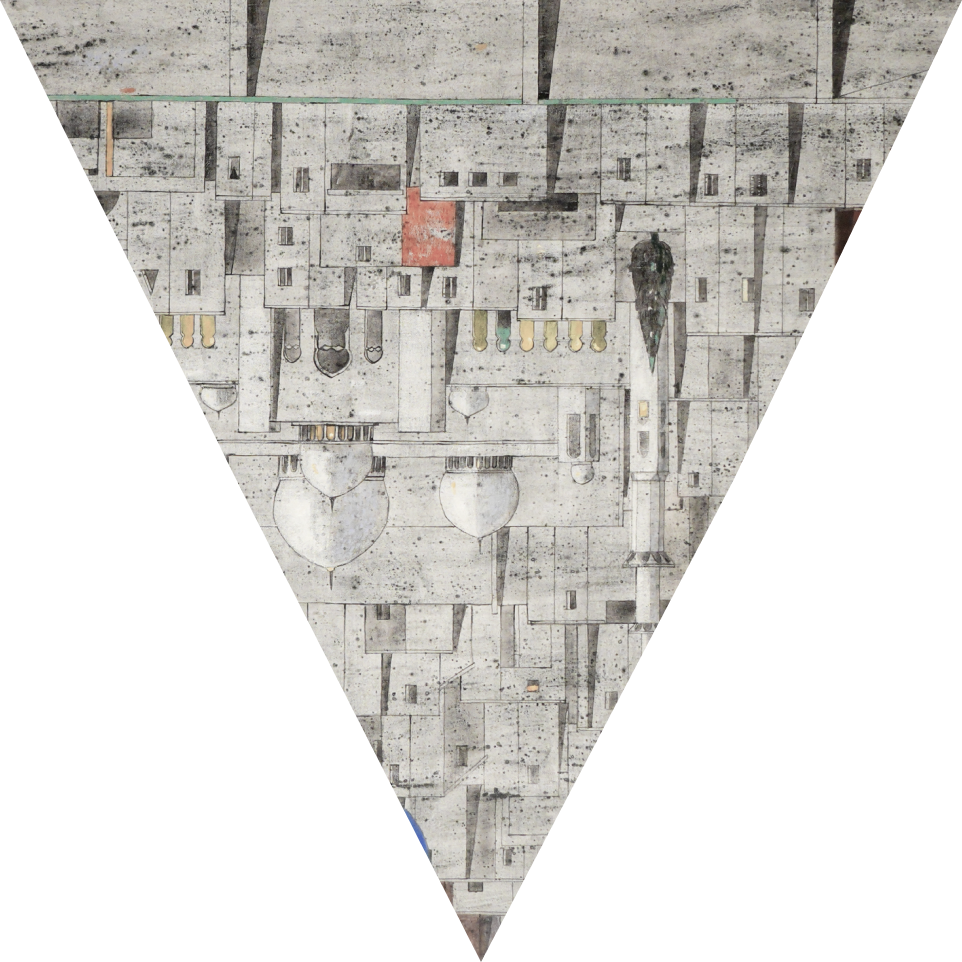
Art investment in the MENA region is evolving rapidly, blending cultural insight with strong market growth.
Would you like to:
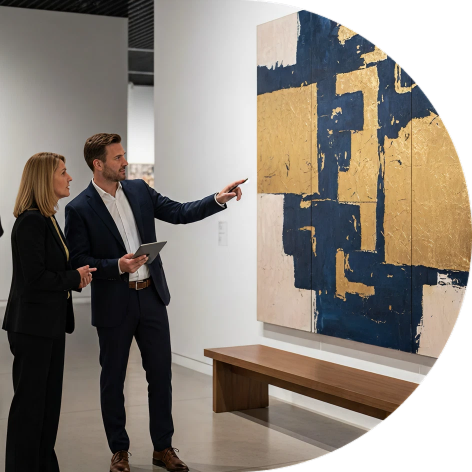
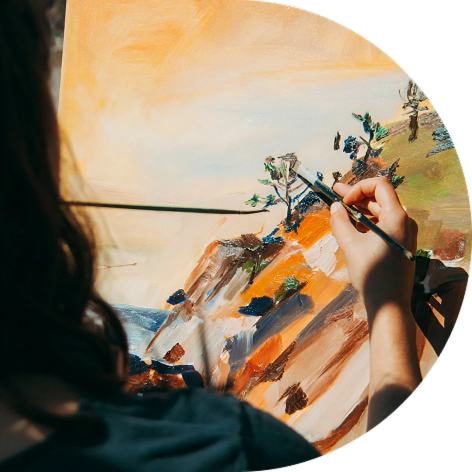
ADAI works with artists across the Middle East and North Africa to ensure their work is seen, understood, and contextualized. Representation on ADAI means supporting artists through curated visibility, research, and digital presentation, connecting their work to audiences, exhibitions, and broader cultural conversations.
Artists featured on ADAI are not exclusively signed or commercially represented— instead, ADAI provides a platform to showcase your practice, highlight your perspective, and situate your work within the evolving landscape of MENA art.
By representing your work on ADAI, you gain access to:
Representation is about visibility, context, and community - helping your art reach the right audiences while respecting your autonomy as an artist."
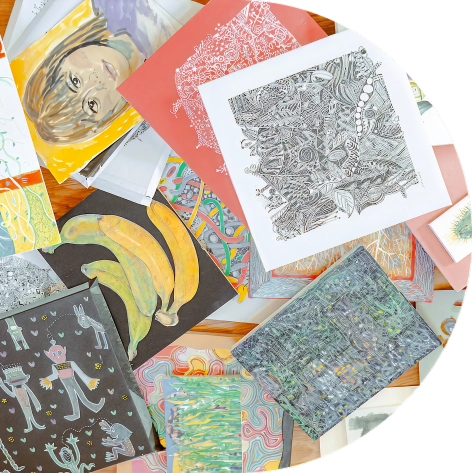
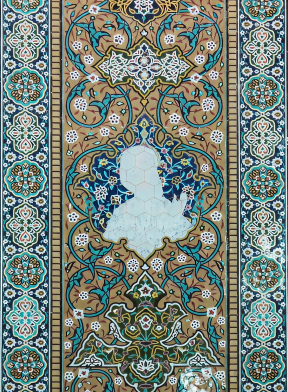
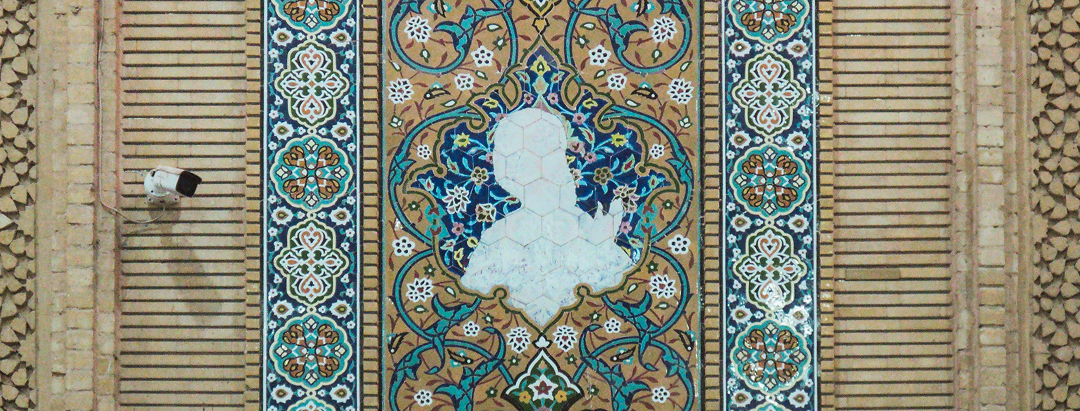
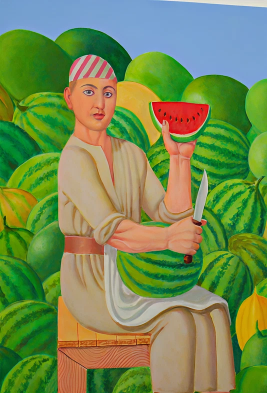
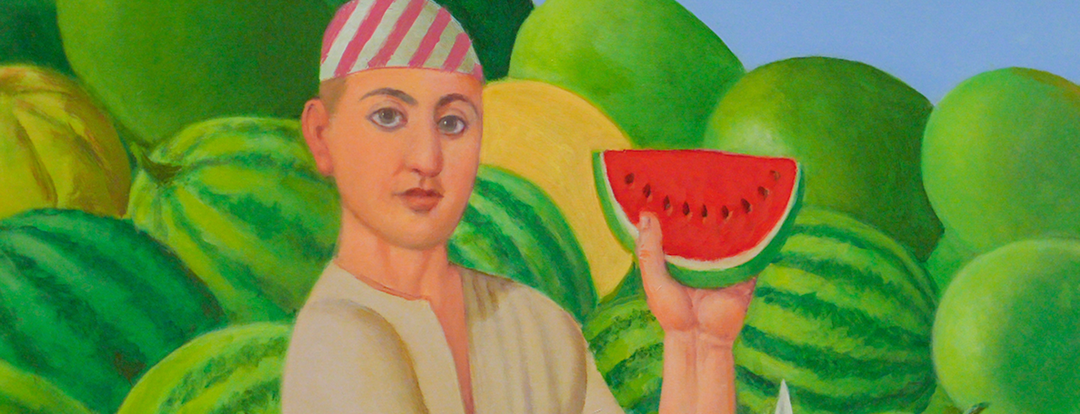
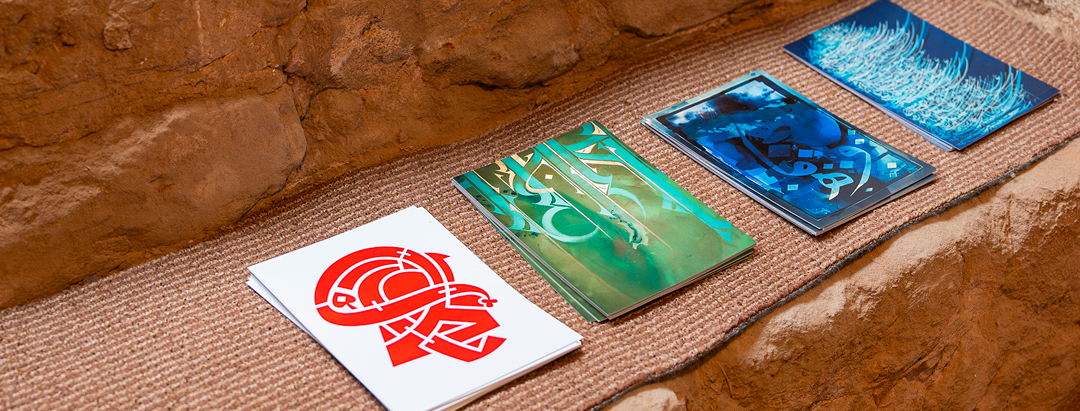

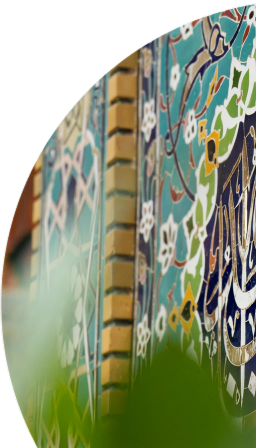
Often referred to as the era of Al-Ruwad (The Pioneers), this period marks the birth of modern Arab art. Many of these artists were sent on government-sponsored scholarships to study in European capitals like Paris and Rome. Upon returning home, they blended Western academic techniques (such as Impressionism and Realism) with local subjects, landscapes, and the emerging concept of national identity.

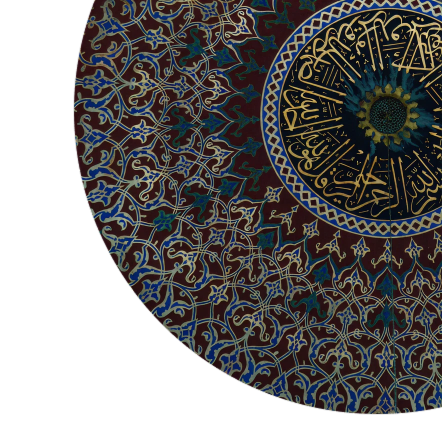
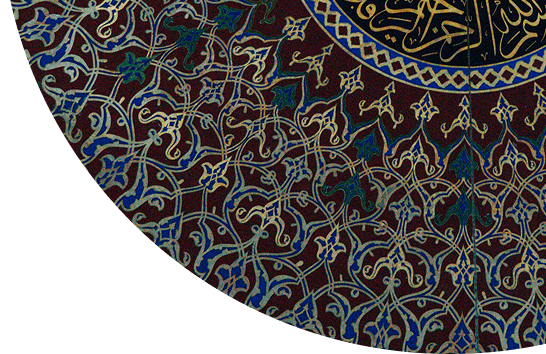
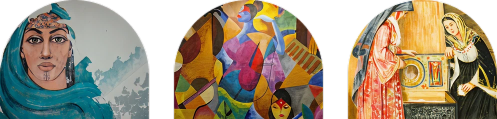
This period was heavily defined by regional political turmoil, most notably the 1967 Six-Day War (the Naksa or 'setback'), the Palestinian exodus, and the Lebanese Civil War. Art became a crucial tool for resistance, political commentary, and documenting human suffering. Existential angst and national trauma led to an emotionally charged, often somber, figurative expressionism.
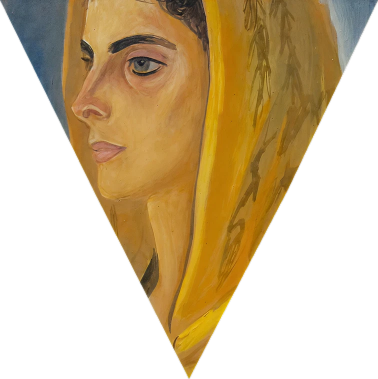
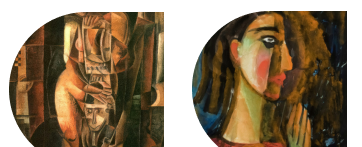
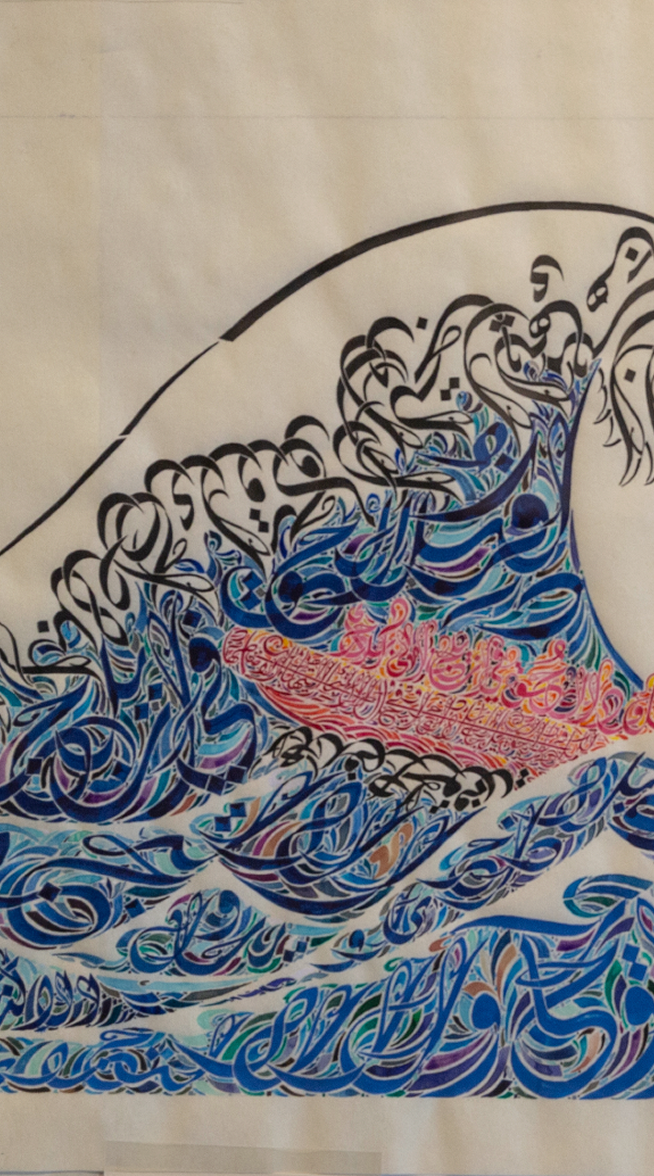
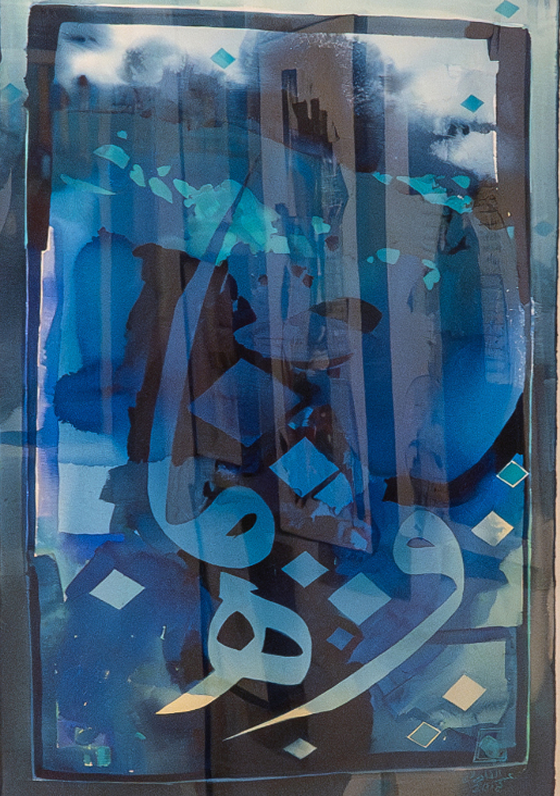
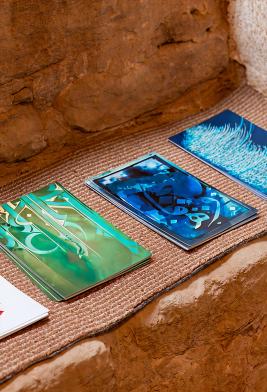
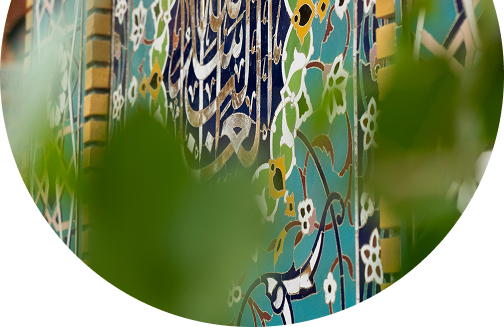
The Hurufiyya (Letterism) movement is arguably the most significant and cohesive modernist movement to emerge from the Arab world. Artists deconstructed Arabic calligraphy, liberating the letters from their linguistic and religious functions to use them as purely abstract, rhythmic, and visual elements. This allowed them to engage with global abstract expressionism while remaining deeply rooted in Islamic and Arab heritage.
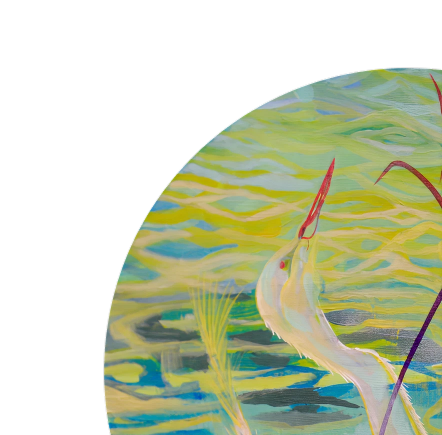
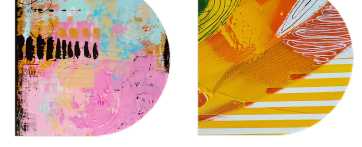
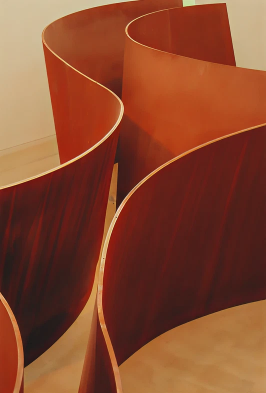
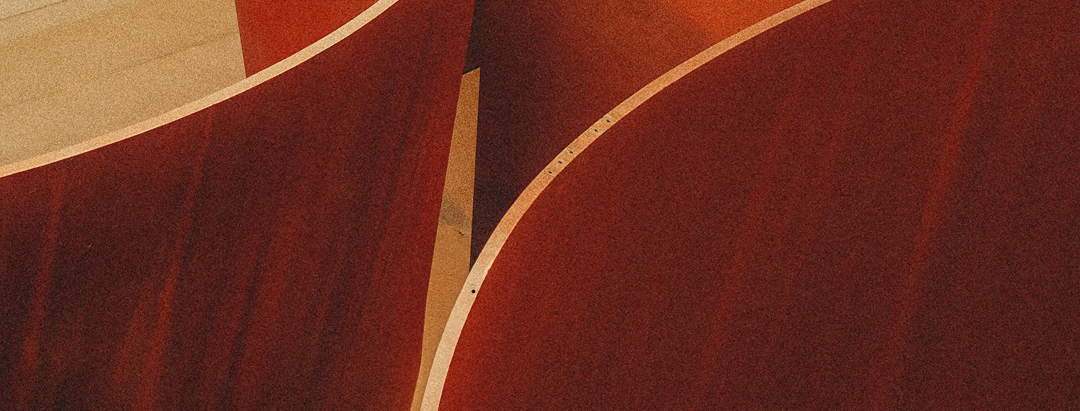
Driven by globalization, the diaspora experience, and new technologies, Arab art in this era expanded well beyond traditional painting and sculpture. It became heavily characterized by video, photography, installation, and performance art. Operating on a global stage, these artists tackle complex themes of post-colonialism, migration, memory, borders, and gender identity.
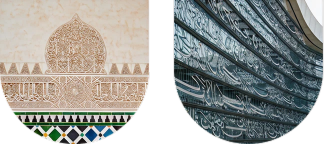
This helps us curate better recommendations for your taste


Drag & Drop your image here
or
This helps us curate better recommendations for your taste
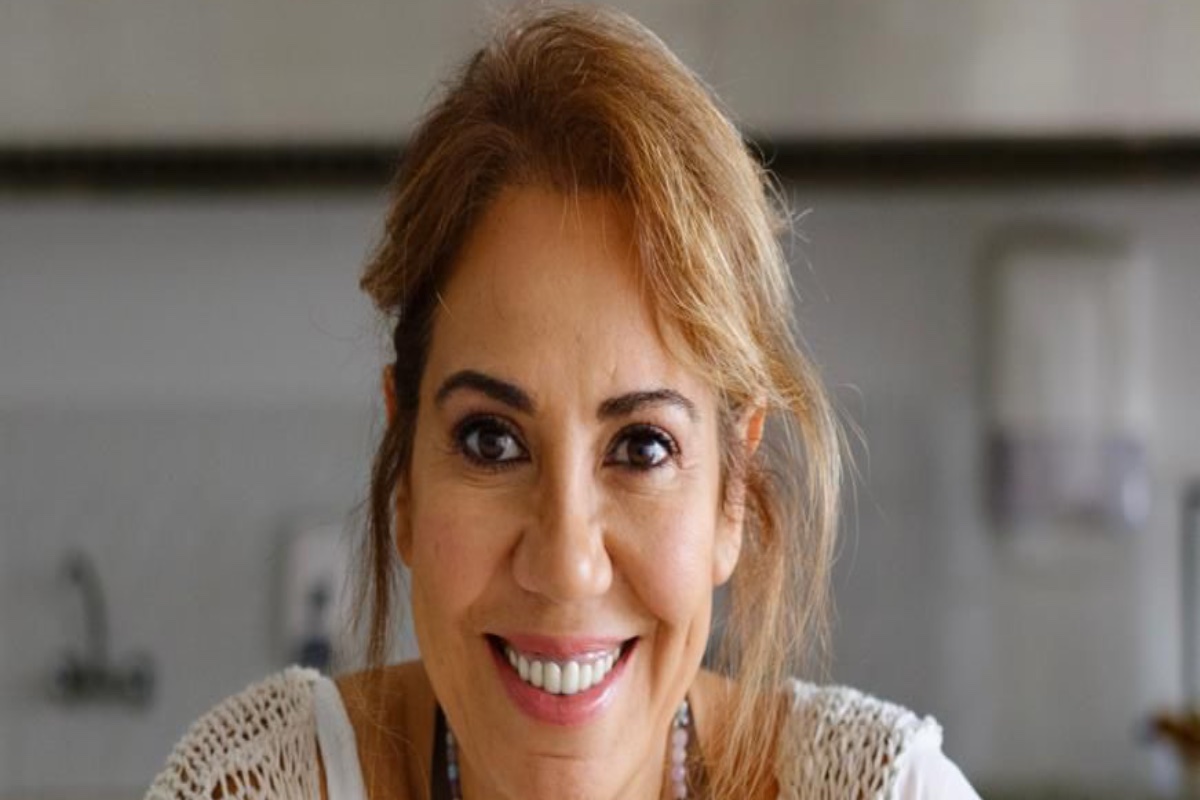
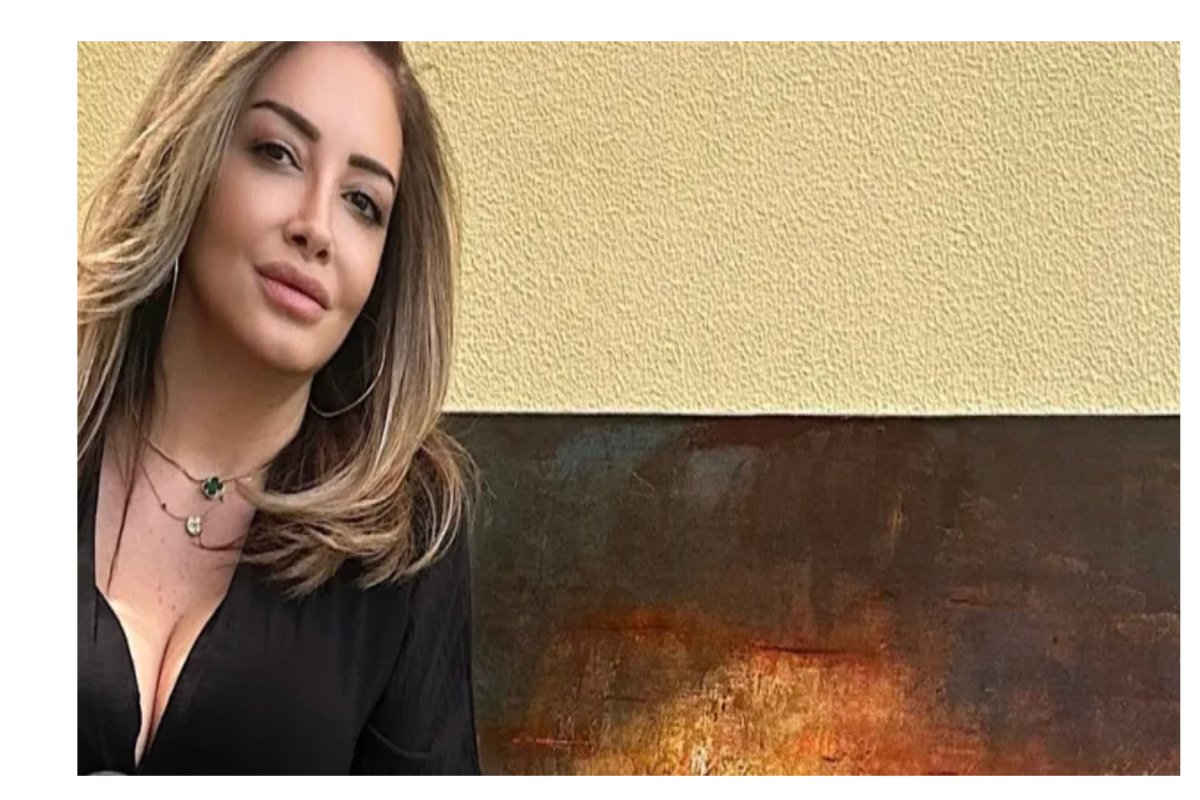
An article about my practice and art in general interviewed by journalist and writer Doha Abdul Raouf Almoll from Al-Liwa Lebanese daily newspaper in the culture section
تُعيد الفنانة التشكيلية «ريما مكحل» تعريف العلاقة بين الرؤية والزمن. فهي لا ترسم العالم كما يبدو، ولا كما ينبغي أن يكون، بل كما يظل عالقاً بعد أن ينسحب منه اليقين. منذ اللحظة الأولى يكتشف المتلقّي أنه أمام عمل فني يشتغل على إعادة تكوين فعل الرؤية نفسه. فاللوحة لا تبدأ عند حدود القماش، وإنما تبدأ عند النقطة التي يفقد فيها اللون وظيفته الوصفية ليصبح حاملاً للذاكرة، ويغدو الملمس سجلاً زمنياً لا يمكن اختزاله إلى تقنية أو مهارة حرفية. إذ لا تعود المادة مجرد وسيط، بل تتحوّل إلى كائن فلسفي يحمل تاريخه الخاص، ولذلك تبدو كل طبقة لونية وكأنها تخفي تحتها طبقة أخرى من الزمن، وكل كشط أو محو ليس حذفاً، بل إعلاناً عن وجود ما سبق. فنحن أمام لوحاتها لا نواجه تجريداً يسعى إلى الهروب من الواقع، وإنما تجريداً يعيد بناء الواقع بوصفه أثراً متراكماً، بحيث يصبح المرئي أقل أهمية من اللامرئي الذي يقيم في أعماقه. وهذا ما يمنح هذه الأعمال ميزة بصرية، فهي لا تطلب من العين أن ترى، بل تطلب منها أن تتذكّر، وأن تشارك في عملية الكشف. ومع الفنانة التشكيلية ريما مكحل أجريت هذا الحوار:
{ هل التجريد بالنسبة لكِ هروب من الواقع، أم وسيلة للوصول إلى واقع أعمق لا تستطيع الصورة المباشرة التعبير عنه؟
- التجريد هي لغتي الفنية، والرموز التي أستعملها للدلالة على فكرة معينة بعيداً عن التلقين المباشر للمتلقّي، هي لغة أرتاح لها ومعها، هي أداتي الفنية، ليست للهروب من الواقع، بل طريق للغوص في أعماق الأشياء، ومحاولة للكشف عن أبعاد أخرى بعيداً عن ظاهر المواضيع التي أتناولها.
{ في أعمالك لا توجد حدود واضحة بين الرسم والكتابة والأثر. هل تؤمنين بانهيار الفواصل بين الفنون؟
- برأيي، للفنون عوالم كبيرة مستقلة ومتشابهة، إنها مرتبطة بالخلق والابتكار، هي ليست مسألة حدود، بل خيوط أثيرية متصلة توحي وتستوحي من بعضها البعض، وخصوصاً الشعر والأدب، كما يقال: في البدء كانت الكلمة. كم من قصيدة كُتبت بسبب صورة أو منظر طبيعي جميل أو حوار أيضاً، كم من شعر تحوّل للحن وأغنية، كم من كتاب ورواية تحوّلت لعمل سينمائي، هي امتداد ولا تلغي أي حدود أو فواصل. بالنسبة لي، الكلمة لها وقعها في قلبي وعقلي، أستطيع أن أبدأ بعمل جديد أو مجموعة أعمال بسبب بيت من الشعر أو جملة لجلال الدين الرومي مست مشاعري، أو كلمة عبّرت عن فكرة لديّ، أو توافقت مع رأيي بموضوع ما.
{ هل تعتبرين السطح التشكيلي مكاناً للرؤية أم مكاناً للحفر في الذاكرة؟
- الاثنين معاً، السطح التشكيلي هو مساحة للتعبير؛ ممكن تكون من ذاكرة الفنان الشخصية لسرد أحداث أو مشاعر معينة، أو رؤية مستقبلية نابعة من واقعه المعاش. من وجهة نظري، الفن هو الأرشيف الصادق لأي حقبة من التاريخ والأزمنة التي تعكس الحالة المجتمعية على كل صعيد (فني، إنساني، اقتصادي، سياسي... إلخ).
{ إلى أي مدى تؤمنين بأن المادة تمتلك ذاكرة مستقلة عن الفنان؟
- أؤمن إلى حدّ كبير بأن المادة تمتلك ذاكرة خاصة بها، مستقلة جزئياً عن الفنان. فكل مادة تحمل آثار تاريخها وطبيعتها: الفنان لا يبدأ من مادة صامتة، بل يدخل في حوار معها، ويترك فيها أثره كما تترك هي أثرها في العمل. لذلك أرى أن العمل الفني هو نتيجة تفاعل بين ذاكرة الفنان وذاكرة المادة، وليس تعبيراً عن الفنان وحده.
{ كيف تميّزين بين التجريب الحقيقي والتكرار المقنع داخل الفن المعاصر؟
- أميّز بين التجريب الحقيقي والتكرار المقنّع من خلال مدى قدرة الفنان على المخاطرة وتغيير أدواته أو أفكاره، والابتعاد عن النسخ أو التقليد، وليس فقط تغيير الشكل الخارجي للعمل. التجريب الحقيقي يفتح احتمالاً جديداً، ويقود أحياناً إلى نتيجة غير متوقعة، بينما التكرار المقنّع يعيد الفكرة نفسها مع تعديلات سطحية في الخامة أو التقنية. بالنسبة لي، السؤال الأساسي هو: هل هذا العمل يكتشف شيئاً جديداً للفنان وللمتلقّي، أم أنه يعيد إنتاج ما سبق بطريقة مختلفة فقط؟ إذا كان هناك بحث، فشل، وتحوّل حقيقي في مسار الممارسة، فأنا أراه تجريباً؛ أما إذا كانت النتيجة متوقعة منذ البداية، فهو أقرب إلى التكرار.
 READ NEXT ARTICLE