Welcome to MENA Art
Exclusive access to galleries and artists across the region etc.
Search the ADAI marketplace by uploading an image and explore visually similar artworks.

Drag an image here

Exclusive access to galleries and artists across the region etc.
Art investment in the MENA region is evolving rapidly, blending cultural insight with strong market growth.
Would you like to:
ADAI works with artists across the Middle East and North Africa to ensure their work is seen, understood, and contextualized. Representation on ADAI means supporting artists through curated visibility, research, and digital presentation, connecting their work to audiences, exhibitions, and broader cultural conversations.
Artists featured on ADAI are not exclusively signed or commercially represented— instead, ADAI provides a platform to showcase your practice, highlight your perspective, and situate your work within the evolving landscape of MENA art.
By representing your work on ADAI, you gain access to:
Representation is about visibility, context, and community - helping your art reach the right audiences while respecting your autonomy as an artist."
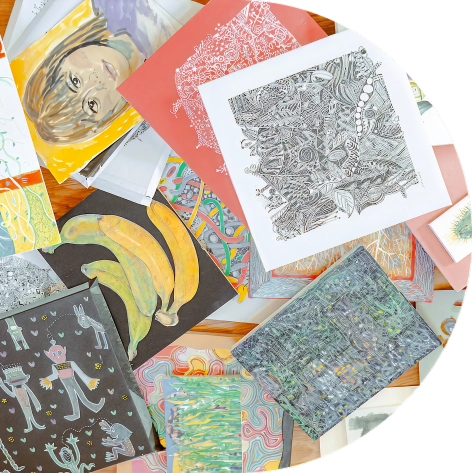
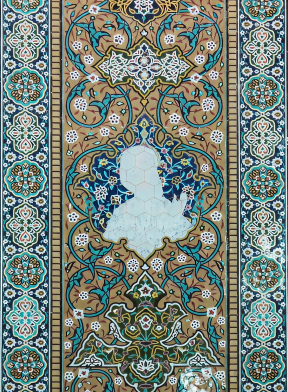
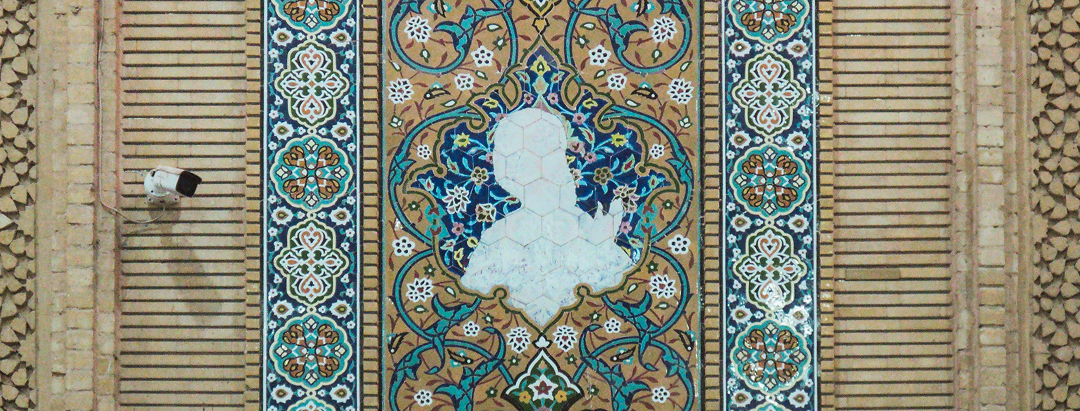
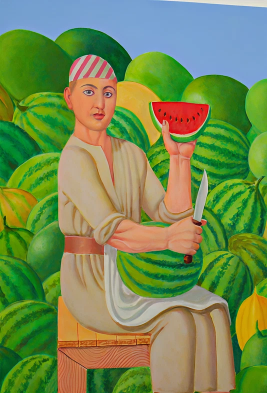
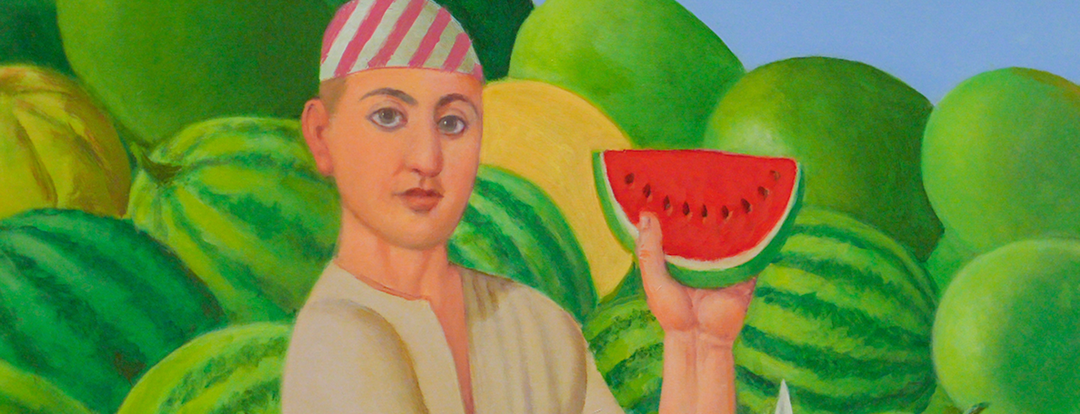
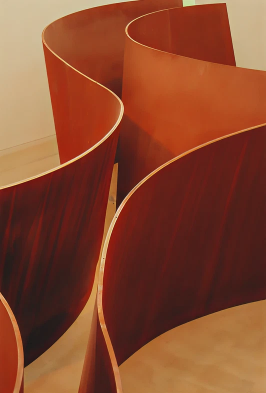
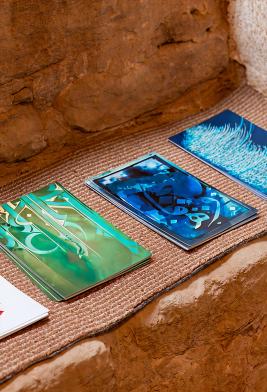

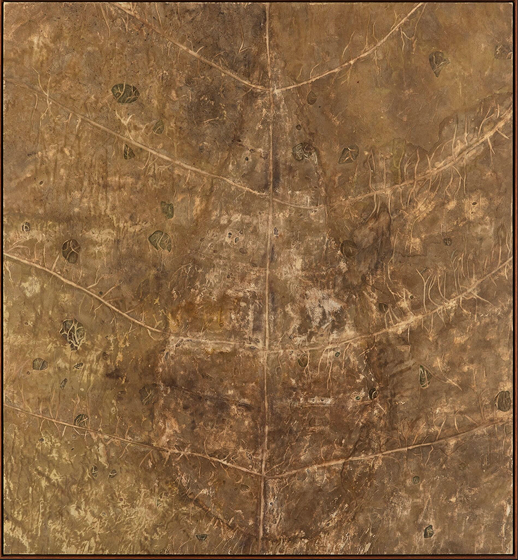
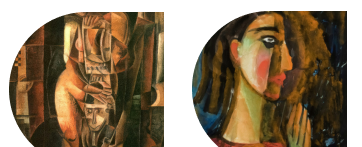
Often referred to as the era of Al-Ruwad (The Pioneers), this period marks the birth of modern Arab art. Many of these artists were sent on government-sponsored scholarships to study in European capitals like Paris and Rome. Upon returning home, they blended Western academic techniques (such as Impressionism and Realism) with local subjects, landscapes, and the emerging concept of national identity.

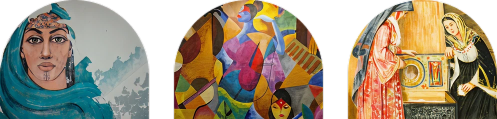
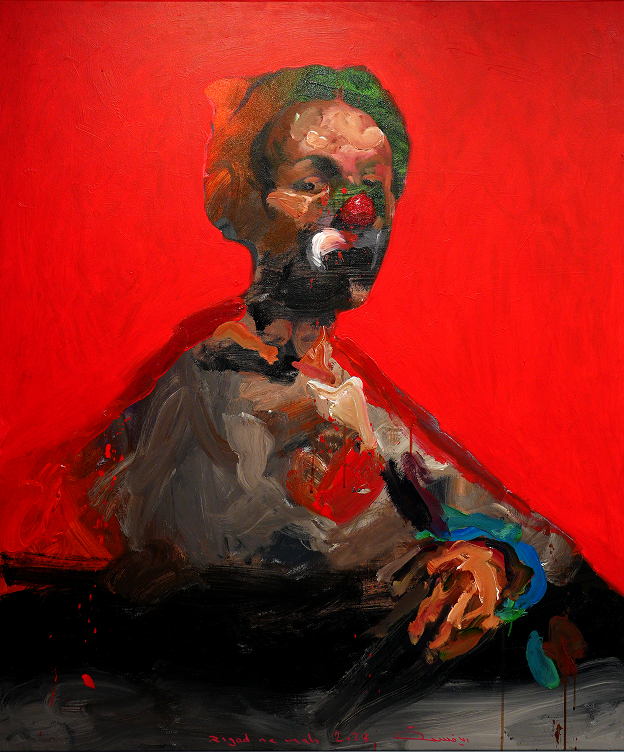
This period was heavily defined by regional political turmoil, most notably the 1967 Six-Day War (the Naksa or 'setback'), the Palestinian exodus, and the Lebanese Civil War. Art became a crucial tool for resistance, political commentary, and documenting human suffering. Existential angst and national trauma led to an emotionally charged, often somber, figurative expressionism.
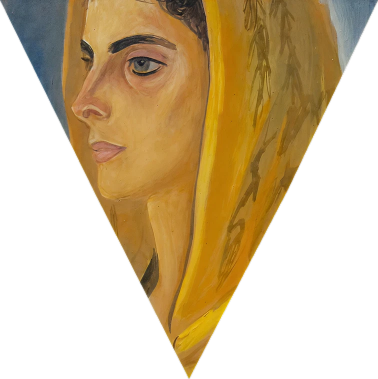
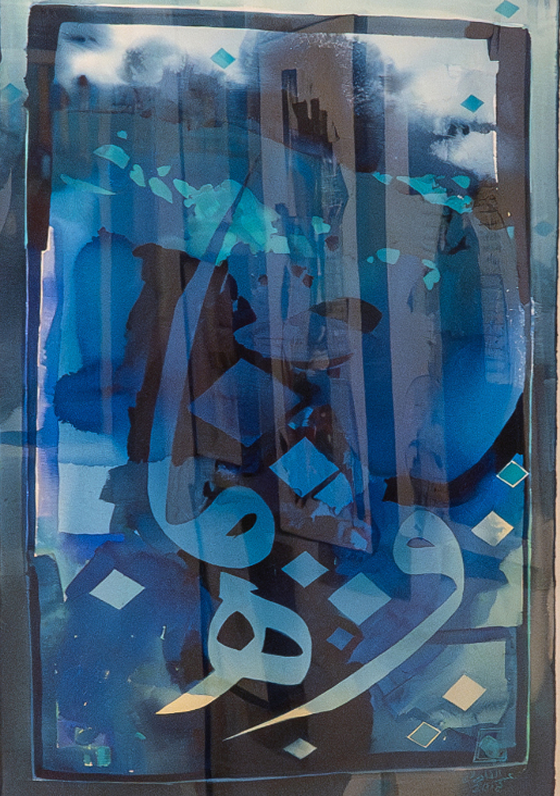
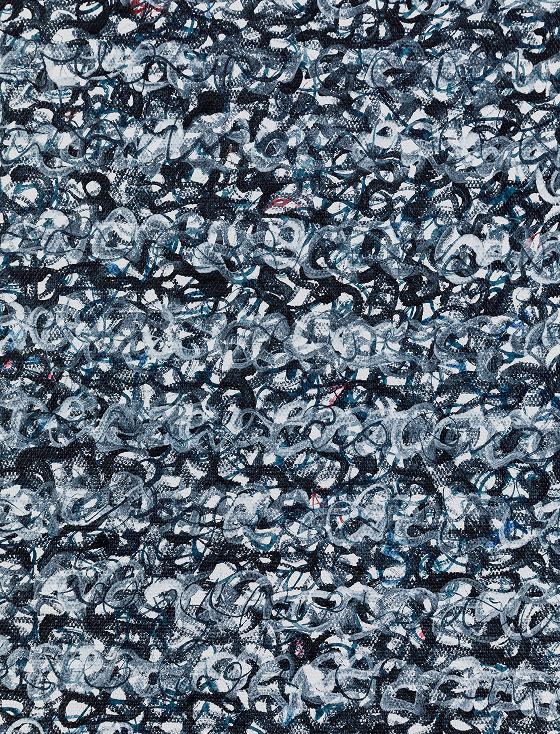
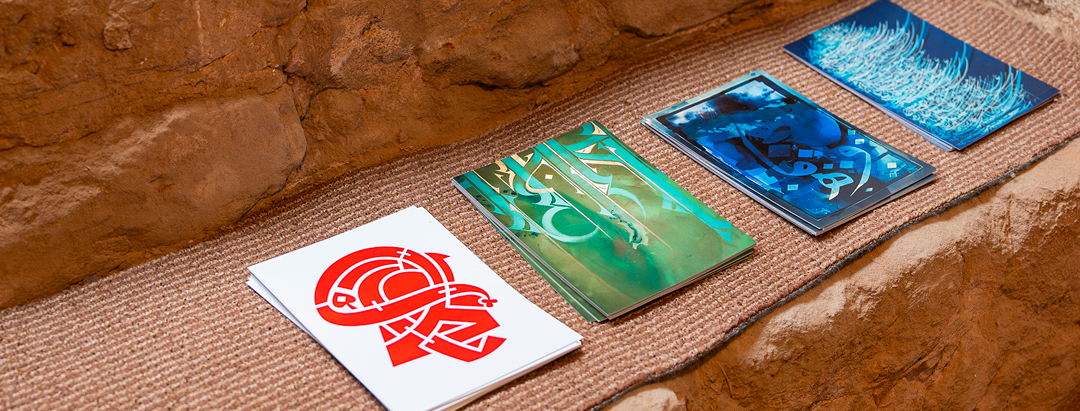
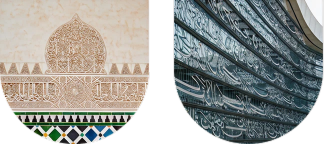
The Hurufiyya (Letterism) movement is arguably the most significant and cohesive modernist movement to emerge from the Arab world. Artists deconstructed Arabic calligraphy, liberating the letters from their linguistic and religious functions to use them as purely abstract, rhythmic, and visual elements. This allowed them to engage with global abstract expressionism while remaining deeply rooted in Islamic and Arab heritage.
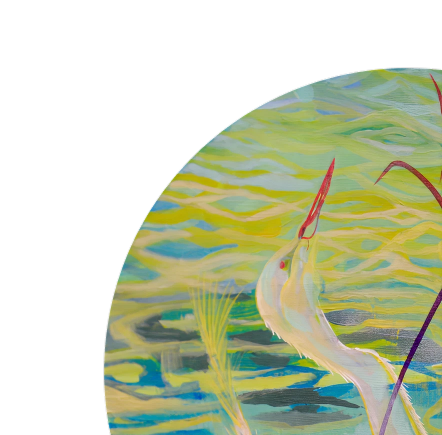
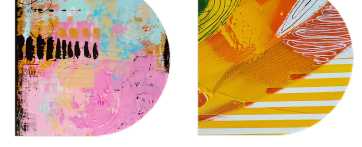
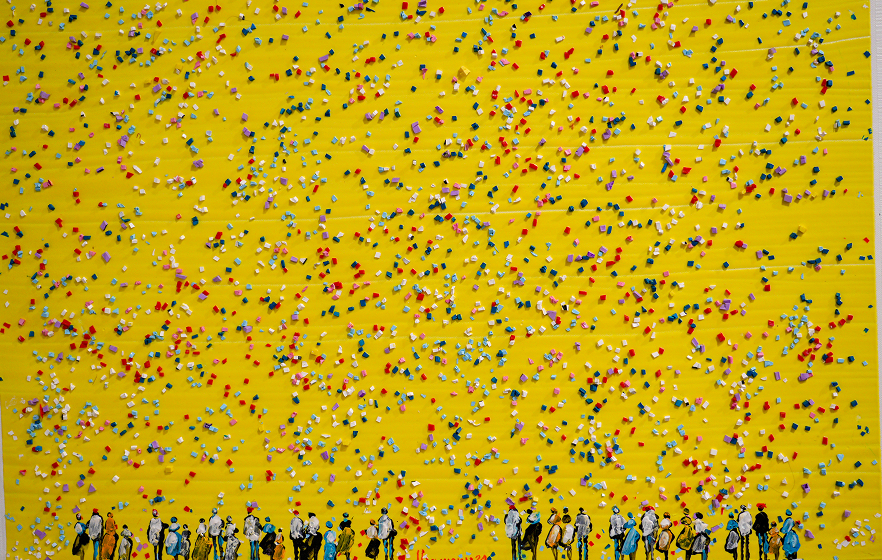
Driven by globalization, the diaspora experience, and new technologies, Arab art in this era expanded well beyond traditional painting and sculpture. It became heavily characterized by video, photography, installation, and performance art. Operating on a global stage, these artists tackle complex themes of post-colonialism, migration, memory, borders, and gender identity.
This helps us curate better recommendations for your taste


Drag & Drop your image here
or
This helps us curate better recommendations for your taste
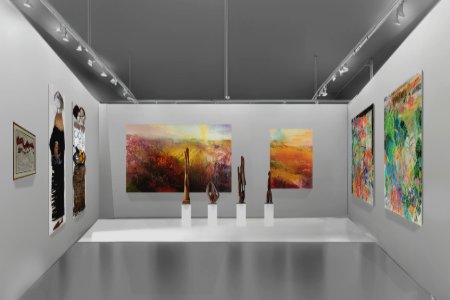
Maya Art Space Gallery presents a curated selection of Lebanese and Syrian artists whose works explore the beauty of nature, memory, and identity through painting and sculpture. Rooted in organic materials and inspired by real-life landscapes, the presentation brings together poetic figuration, vibr
In this booth, Maya Art Space Gallery presents a curated dialogue between painting and sculpture, rooted in reverence for Mother Nature and the enduring power of organic materials and real-life landscapes. The selection features four distinguished Lebanese and Syrian artists whose practices celebrate the natural world, memory, and identity through figuration, abstraction, and earthbound materiality.
At the entrance, Fadi Balhawan’s evocative portrait of Gibran Khalil Gibran, inspired by Broken Wings, bridges literature and land. Gibran’s gaze evokes longing and rootedness, anchoring the presentation in a poetic meditation on belonging both to place and to nature.
In Souad Mardam Bey’s paintings, the act of holding on and letting go is subtly expressed through her symbols and gestures. The bird, gently cradled or offered, speaks to the delicate tension between care and release protecting what is precious while knowing it may one day fly. The pears, carefully arranged, suggest cherished moments preserved in time, yet also hint at the impermanence of such offerings.
Through these quiet elements, Mardam Bey explores the emotional balance between attachment and acceptance in an intimate meditation on love and loss.
Nizar Daher’s vibrant abstractions pulse with natural energy, fusing Mediterranean flora, sunlit color, and spiritual symbology. Each canvas paints a living ecosystem that speaks of harmony, freedom, and complexity.
Fatat Bahmad’s works draw deeply from the Lebanese terrain, using layers of pigment and texture to compose emotional landscapes.
Completing the sensory journey are Nabil Basbous’s sculptures from his Olive Tree series. These organic forms speak of resilience and rootedness, offering a meditative connection to the land and the spirit of regeneration.
Together, the works in this booth pay tribute to Earth and its elemental beauty. Through wood, paper, and pigment, the artists channel real sceneries, inner landscapes, and natural materials into a presentation that resonates with appreciation for heritage, sustainability, and contemporary aesthetics.