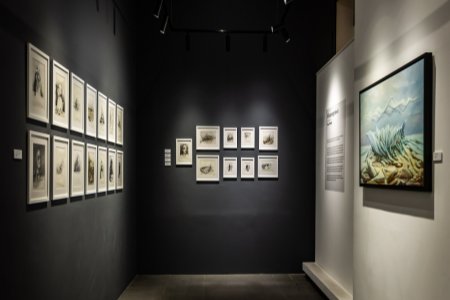
Welcome to MENA Art
Exclusive access to galleries and artists across the region etc.
Search the ADAI marketplace by uploading an image and explore visually similar artworks.

Drag an image here


Exclusive access to galleries and artists across the region etc.
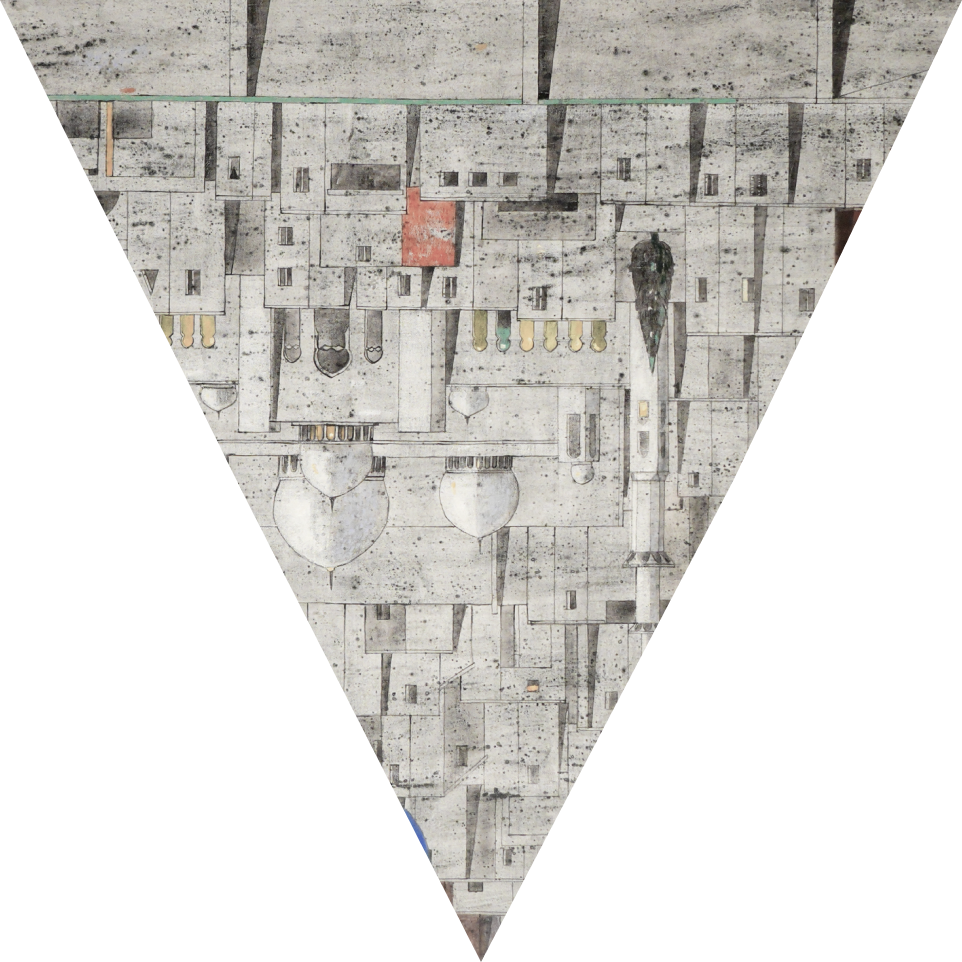
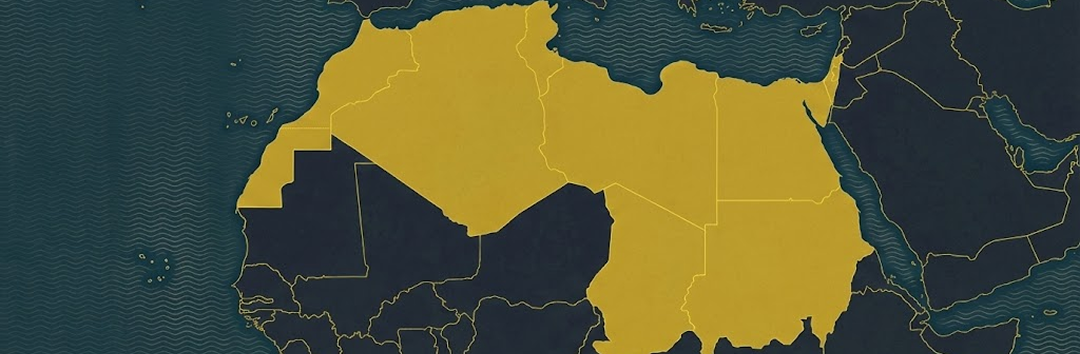
Art investment in the MENA region is evolving rapidly, blending cultural insight with strong market growth.
Would you like to:
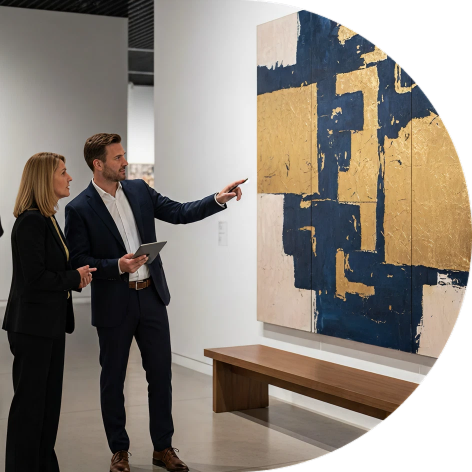
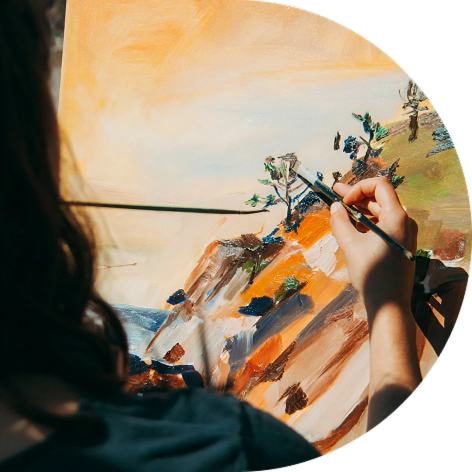
ADAI works with artists across the Middle East and North Africa to ensure their work is seen, understood, and contextualized. Representation on ADAI means supporting artists through curated visibility, research, and digital presentation, connecting their work to audiences, exhibitions, and broader cultural conversations.
Artists featured on ADAI are not exclusively signed or commercially represented— instead, ADAI provides a platform to showcase your practice, highlight your perspective, and situate your work within the evolving landscape of MENA art.
By representing your work on ADAI, you gain access to:
Representation is about visibility, context, and community - helping your art reach the right audiences while respecting your autonomy as an artist."
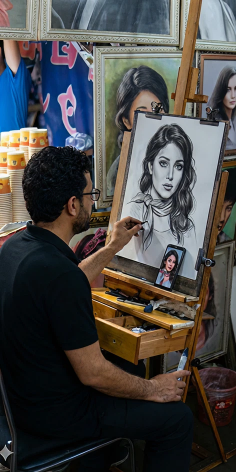
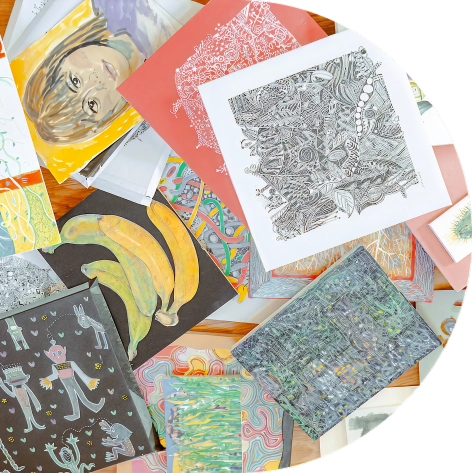
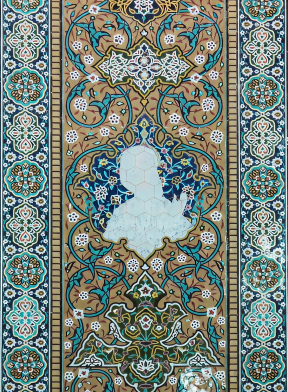
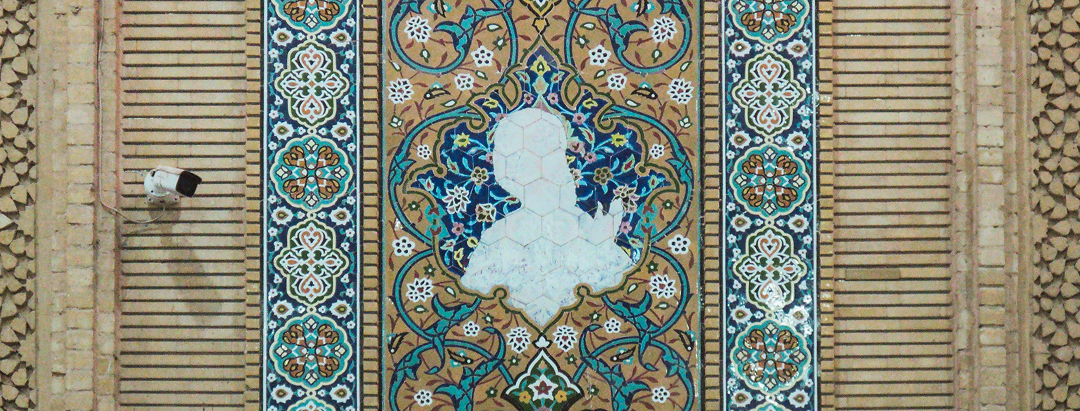
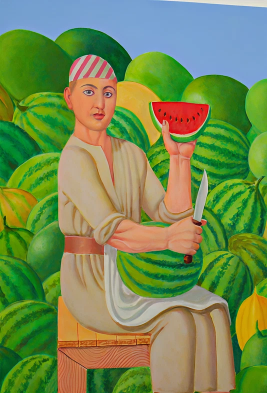
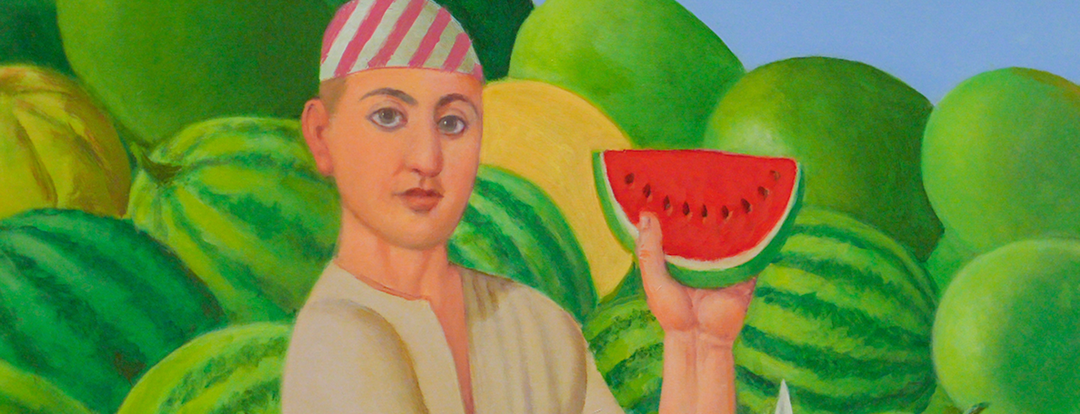

Often referred to as the era of Al-Ruwad (The Pioneers), this period marks the birth of modern Arab art. Many of these artists were sent on government-sponsored scholarships to study in European capitals like Paris and Rome. Upon returning home, they blended Western academic techniques (such as Impressionism and Realism) with local subjects, landscapes, and the emerging concept of national identity.

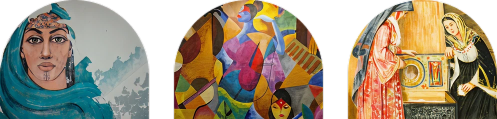
This period was heavily defined by regional political turmoil, most notably the 1967 Six-Day War (the Naksa or 'setback'), the Palestinian exodus, and the Lebanese Civil War. Art became a crucial tool for resistance, political commentary, and documenting human suffering. Existential angst and national trauma led to an emotionally charged, often somber, figurative expressionism.
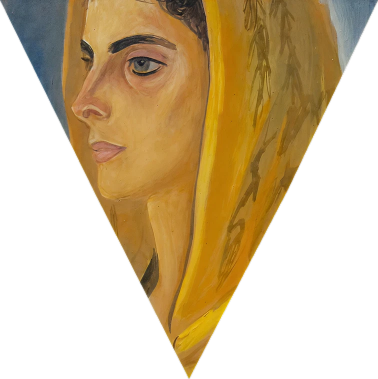
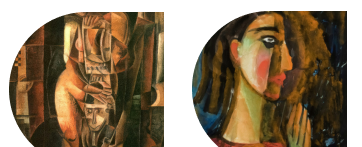
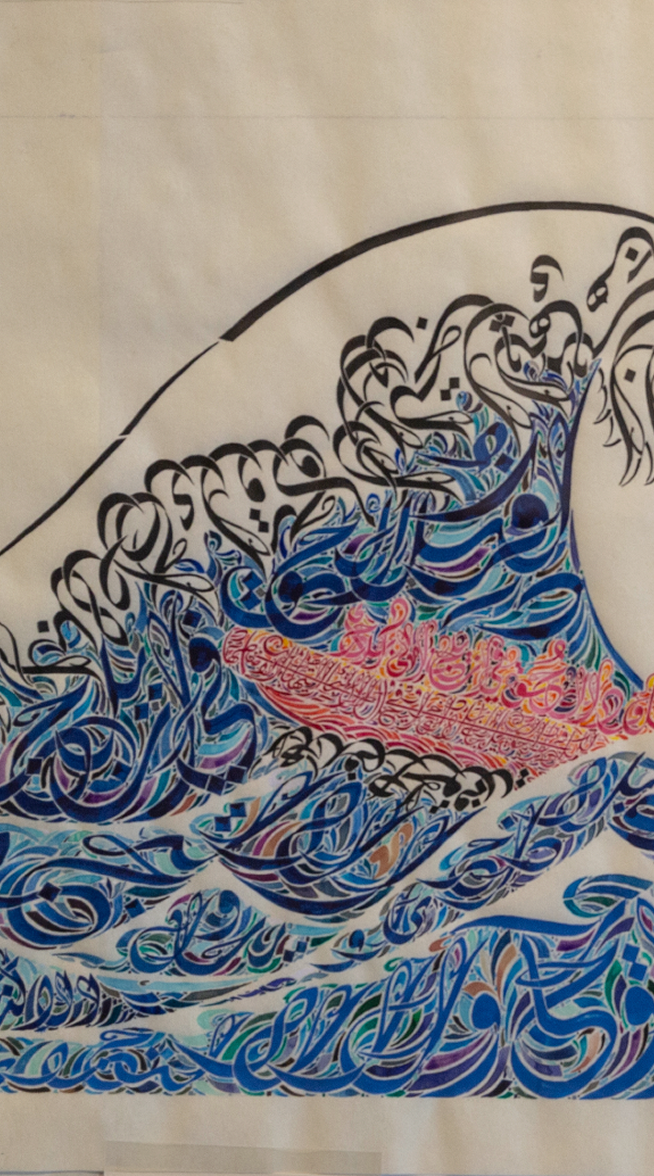
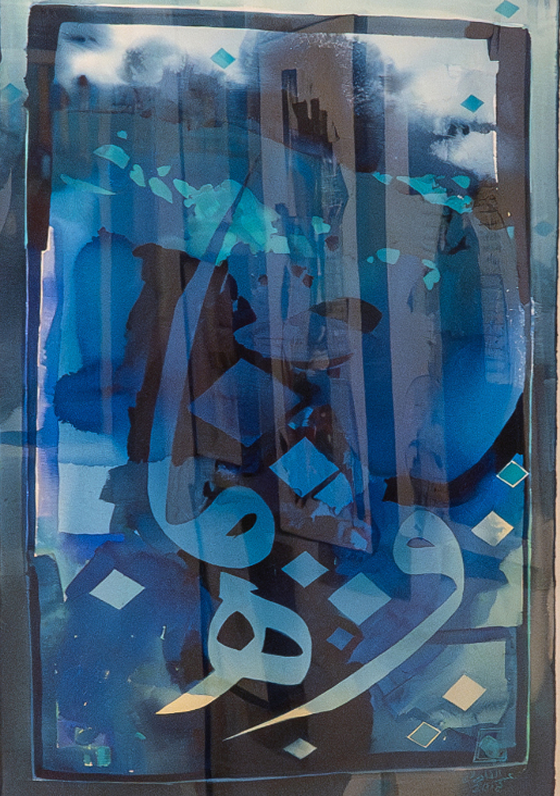
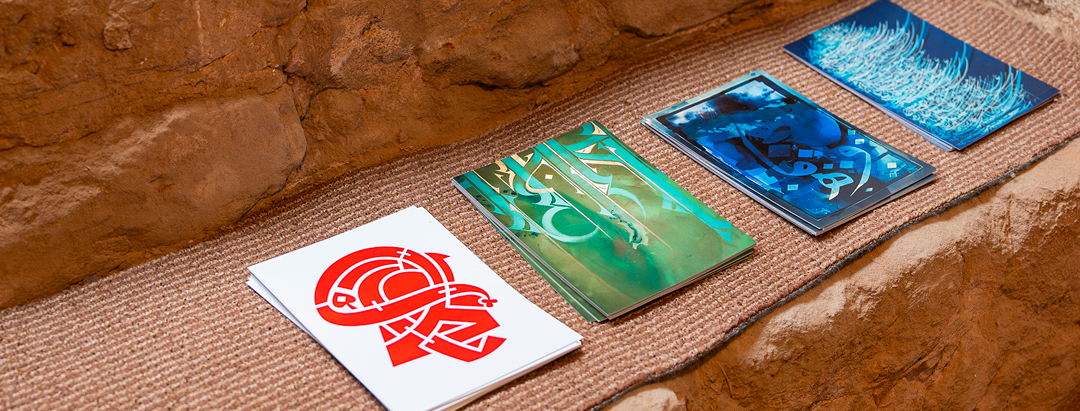
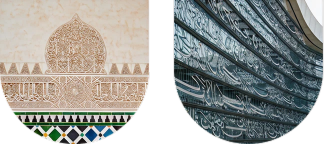
The Hurufiyya (Letterism) movement is arguably the most significant and cohesive modernist movement to emerge from the Arab world. Artists deconstructed Arabic calligraphy, liberating the letters from their linguistic and religious functions to use them as purely abstract, rhythmic, and visual elements. This allowed them to engage with global abstract expressionism while remaining deeply rooted in Islamic and Arab heritage.
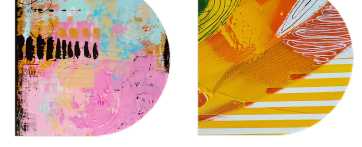
Driven by globalization, the diaspora experience, and new technologies, Arab art in this era expanded well beyond traditional painting and sculpture. It became heavily characterized by video, photography, installation, and performance art. Operating on a global stage, these artists tackle complex themes of post-colonialism, migration, memory, borders, and gender identity.
This helps us curate better recommendations for your taste


Drag & Drop your image here
or
This helps us curate better recommendations for your taste
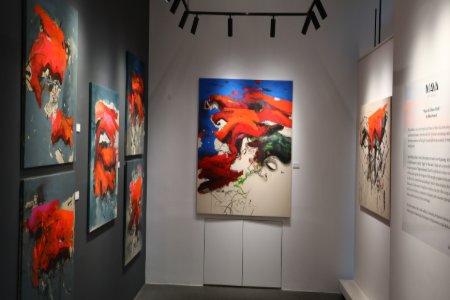
Maya Art Space, in collaboration with Curator Randa Sadaka is proud to present the esteemed artist Rifaee Ahmad.
Rifaee Ahmad is a distinguished artist originally from Derek, Northern Syria. He graduated from the Fine Arts Academy in Damascus and actively participated in the young Syrian "Spring" exhibitions of 1999, 2001, and 2003. His talent was further recognized when he won awards in the "Upcoming Artist" category at a government exhibition in the National Museum of Damascus in 2010 and 2011.
Ahmad's work, which includes oil, acrylic, charcoal, and ink paintings on canvas, has been showcased internationally in countries such as Kuwait, Iraq, Lebanon, Turkey, Germany, Italy, and Austria. Since relocating to Vienna and obtaining Austrian nationality, he has continued to gain recognition, including participating in the "Open Workshops" at the Albertina Museum in 2018 and 2019. He is currently represented by several galleries :
Gut Gasteil Art Gallery in Austria
Kalimát Art Gallery in Istanbul, Turkey
Violet Art Gallery in Kassel, Germany
Burn-In Gallery in Vienna, Austria
This exhibition delves into the profound themes of Arab exile, showcasing the transformative journey of the artist who fled Syria due to increasing conditions. The harrowing experiences of fleeing by sea and land became a catalyst for both personal and artistic growth.
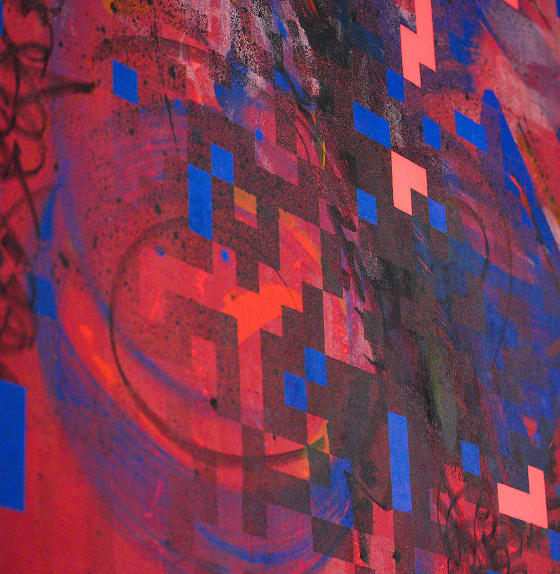
Upon finding refuge in Austria, the painter embraced a new beginning. In his current work, he frequently employs “digits” or “barcodes,” which serve as powerful symbols of the growing sense of “depersonalization” faced by individuals in today’s world. The exhibition also explores the emergence of life through a poignant lens by inviting viewers to reflect on the vulnerabilities and challenges faced by those navigating the tumultuous landscapes of displacement. Through this collection, the artist offers a deep commentary on the erosion of identity, a testament to his journey and a universal exploration of the human condition in an era of profound change.
This show resonates with a wide audience, connecting the personal with the universal and fostering greater understanding of the impact of displacement on individuals and cultures.