Welcome to MENA Art
Exclusive access to galleries and artists across the region etc.
Search the ADAI marketplace by uploading an image and explore visually similar artworks.

Drag an image here

Exclusive access to galleries and artists across the region etc.
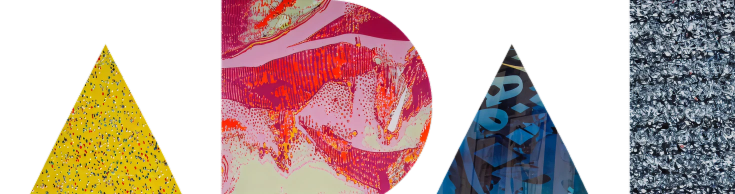
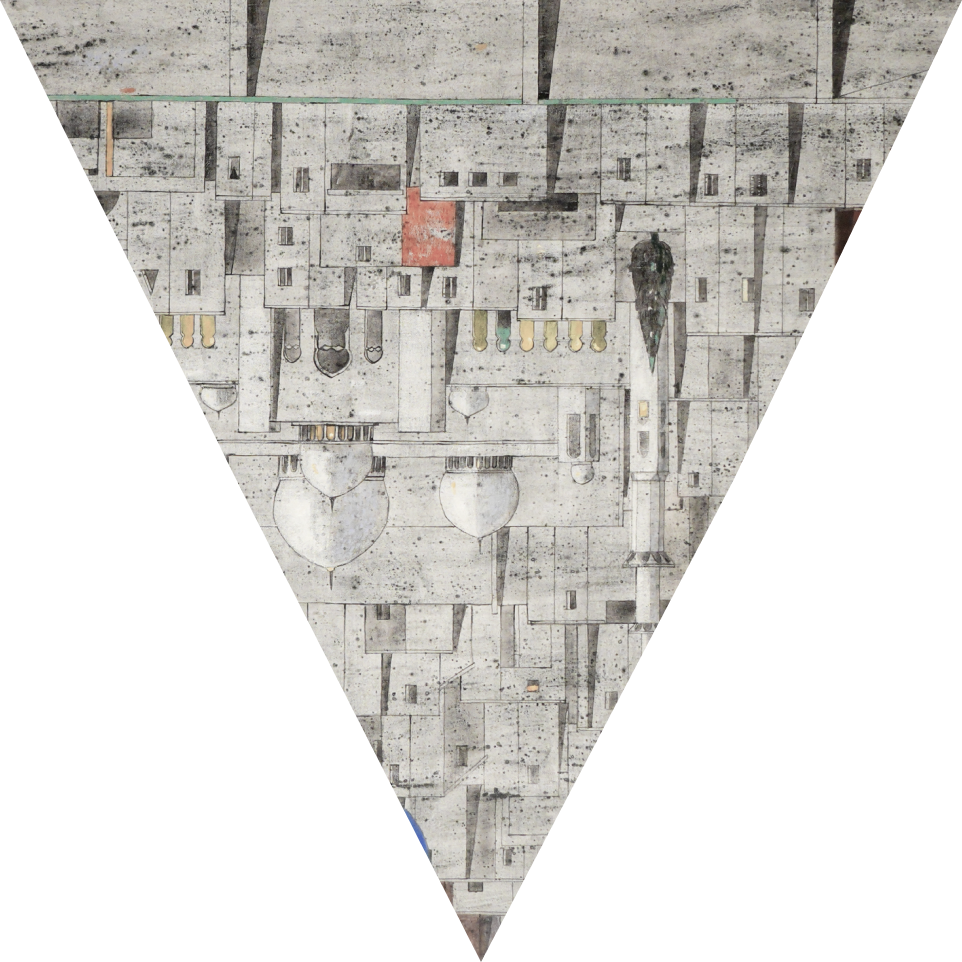
Art investment in the MENA region is evolving rapidly, blending cultural insight with strong market growth.
Would you like to:
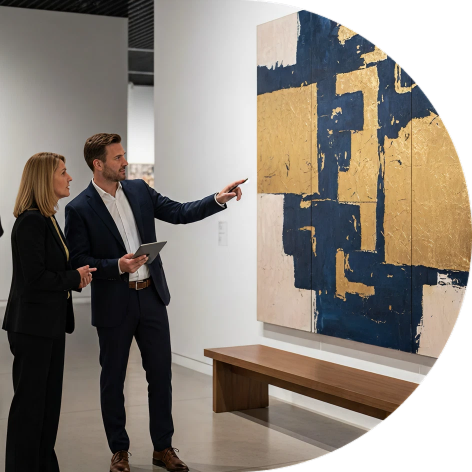
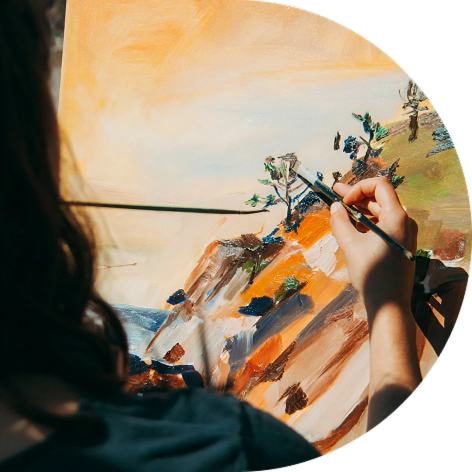
ADAI works with artists across the Middle East and North Africa to ensure their work is seen, understood, and contextualized. Representation on ADAI means supporting artists through curated visibility, research, and digital presentation, connecting their work to audiences, exhibitions, and broader cultural conversations.
Artists featured on ADAI are not exclusively signed or commercially represented— instead, ADAI provides a platform to showcase your practice, highlight your perspective, and situate your work within the evolving landscape of MENA art.
By representing your work on ADAI, you gain access to:
Representation is about visibility, context, and community - helping your art reach the right audiences while respecting your autonomy as an artist."
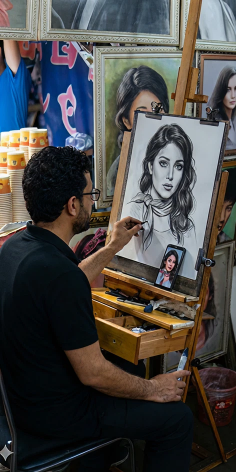
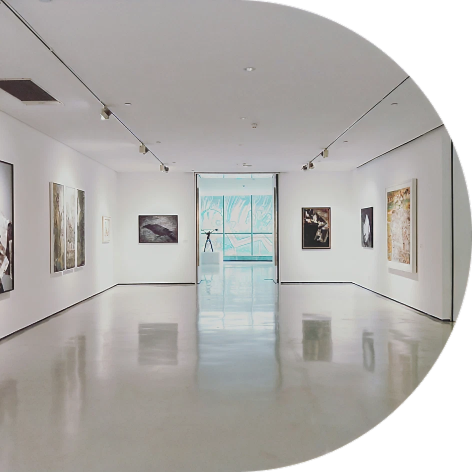
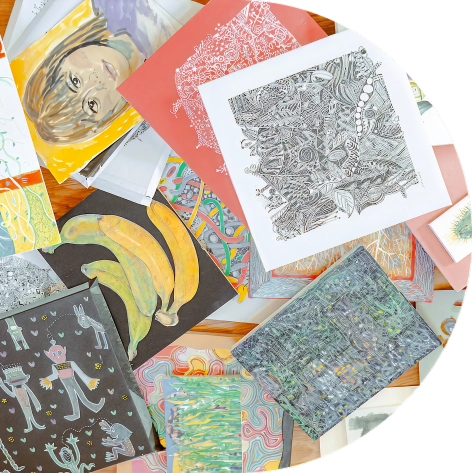

Often referred to as the era of Al-Ruwad (The Pioneers), this period marks the birth of modern Arab art. Many of these artists were sent on government-sponsored scholarships to study in European capitals like Paris and Rome. Upon returning home, they blended Western academic techniques (such as Impressionism and Realism) with local subjects, landscapes, and the emerging concept of national identity.

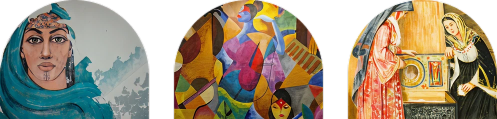
This period was heavily defined by regional political turmoil, most notably the 1967 Six-Day War (the Naksa or 'setback'), the Palestinian exodus, and the Lebanese Civil War. Art became a crucial tool for resistance, political commentary, and documenting human suffering. Existential angst and national trauma led to an emotionally charged, often somber, figurative expressionism.
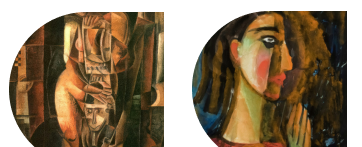
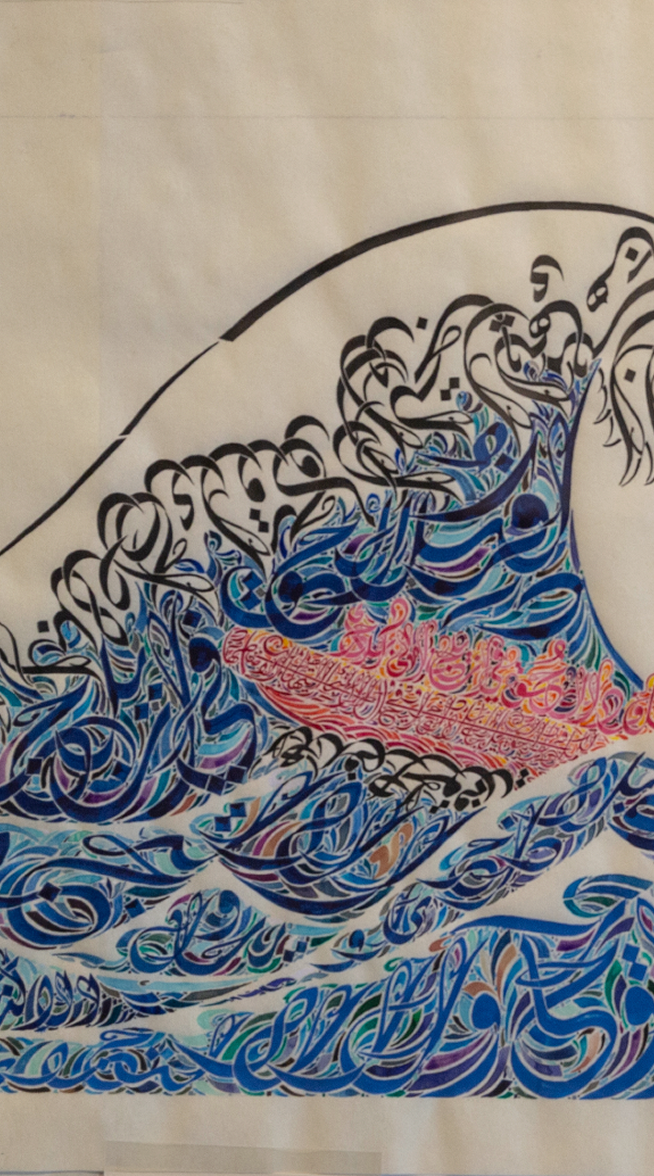
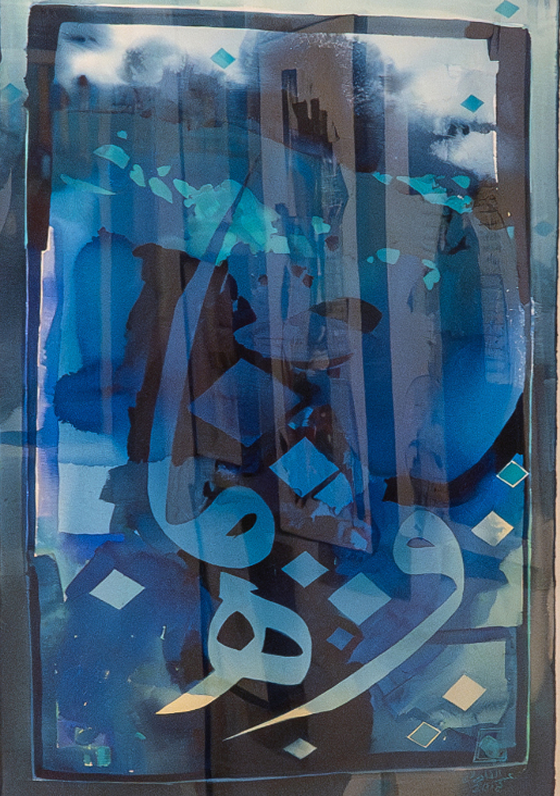
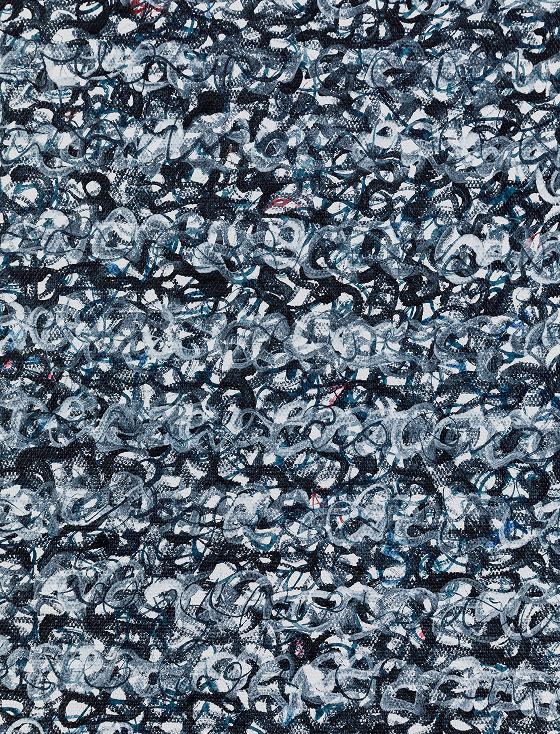
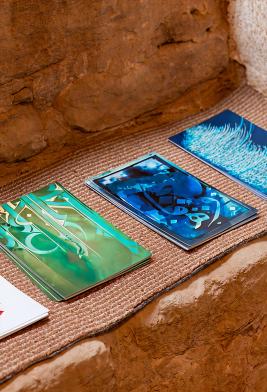
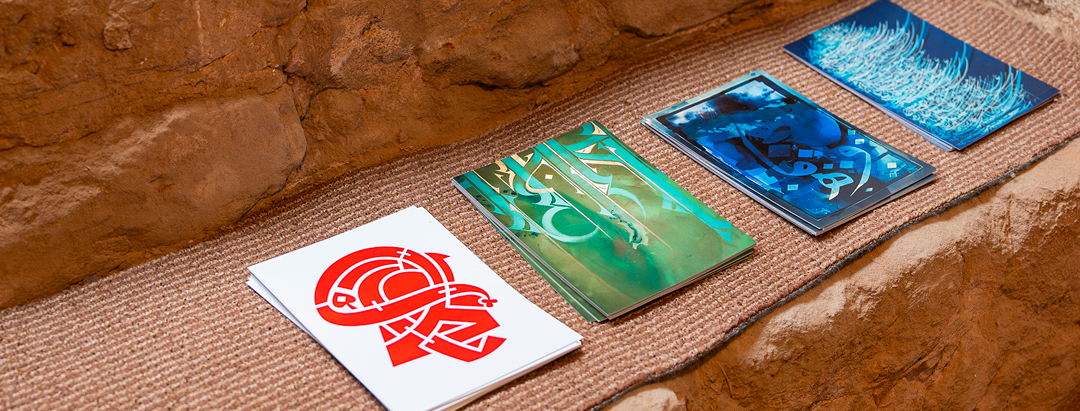
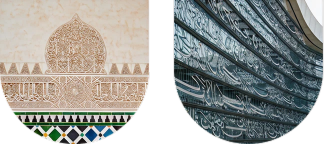
The Hurufiyya (Letterism) movement is arguably the most significant and cohesive modernist movement to emerge from the Arab world. Artists deconstructed Arabic calligraphy, liberating the letters from their linguistic and religious functions to use them as purely abstract, rhythmic, and visual elements. This allowed them to engage with global abstract expressionism while remaining deeply rooted in Islamic and Arab heritage.
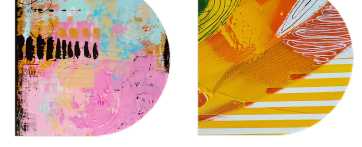
Driven by globalization, the diaspora experience, and new technologies, Arab art in this era expanded well beyond traditional painting and sculpture. It became heavily characterized by video, photography, installation, and performance art. Operating on a global stage, these artists tackle complex themes of post-colonialism, migration, memory, borders, and gender identity.
This helps us curate better recommendations for your taste


Drag & Drop your image here
or
This helps us curate better recommendations for your taste
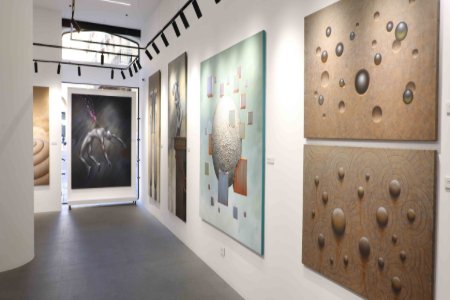
Maya Art Space gallery is proud to announce the renowned artist Mona Nahleh's solo retrospective that'll stay on view till April, 2nd.
Mona Nahleh graduated from the Lebanese University with a major in English literature. She is a self-taught artist.
After having learned academic painting techniques, she started developing her own style. She had her first exhibition in 1994 and she has participated in many collective shows in Egypt, Qatar, Kuwait, France, Lebanon and the UAE.
Mona Nahleh also exhibited individually in Lebanon, Egypt, Bahrain, Kuwait and Syria. Her exclusive style and indulged technique paved the road for her artworks to be embraced in several private collections as in “Château De Léon”, St. Étienne, France.
”For the past few years , humanity has witnessed huge changes on many levels . Pandemics, economic crises, threats of impending wars, social changes that challenge our perception of right and wrong and politically, view points are on a broad spectrum of differences that one even wonders if we are all witnessing the same events ! The world is turbulent, and the future unclear . Where do we stand in all of this ? How do we as individuals perceive these happenings?? How has this changed us , if at all , in our daily lives, our interactions with the world, our dreams and aspirations? Our plans for the future as we venture into the unknown ? How has this affected us individually on our soul level? The answers are as diverse as there are people, we have all changed colors, internally and externally… Some are passive , some are active, some choose not to see while others have taken on the role of actively speaking out warnings and pointing out injustices, hence called conspiracy theorists! Some continue to live their lives like nothing changed , refusing to see what is happening, others see and watch but struggle to continue life as they know it , some are paralyzed by fear and are in limbo while others chose the turbulent path of following up on events and letting new knowledge dictate how they feel in the moment. Hope , fear, empathy, avoidance, courage and cowardice… sadness and momentary joy … Collectively we are one , but individually, we are living in parallel realities that occasionally collide.”