Welcome to MENA Art
Exclusive access to galleries and artists across the region etc.
Search the ADAI marketplace by uploading an image and explore visually similar artworks.

Drag an image here

Exclusive access to galleries and artists across the region etc.
Art investment in the MENA region is evolving rapidly, blending cultural insight with strong market growth.
Would you like to:
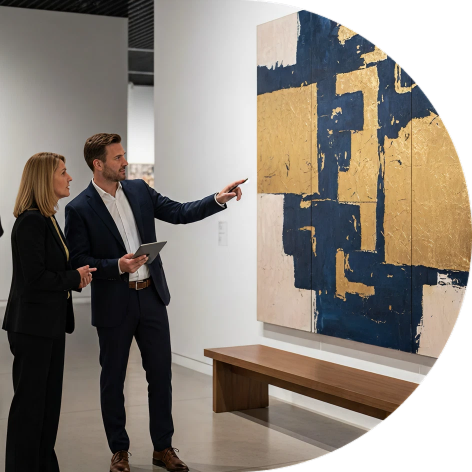
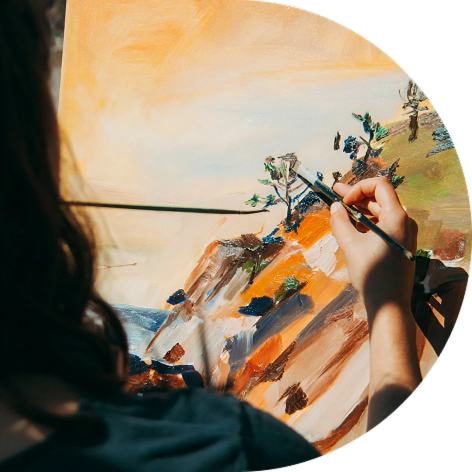
ADAI works with artists across the Middle East and North Africa to ensure their work is seen, understood, and contextualized. Representation on ADAI means supporting artists through curated visibility, research, and digital presentation, connecting their work to audiences, exhibitions, and broader cultural conversations.
Artists featured on ADAI are not exclusively signed or commercially represented— instead, ADAI provides a platform to showcase your practice, highlight your perspective, and situate your work within the evolving landscape of MENA art.
By representing your work on ADAI, you gain access to:
Representation is about visibility, context, and community - helping your art reach the right audiences while respecting your autonomy as an artist."
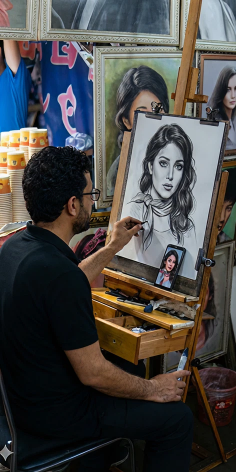
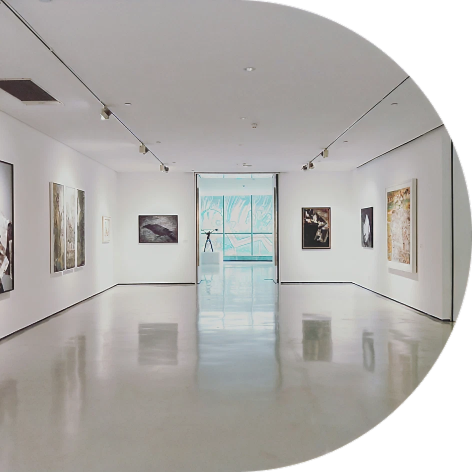
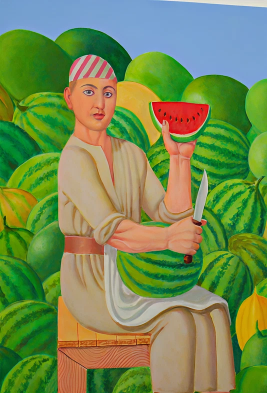
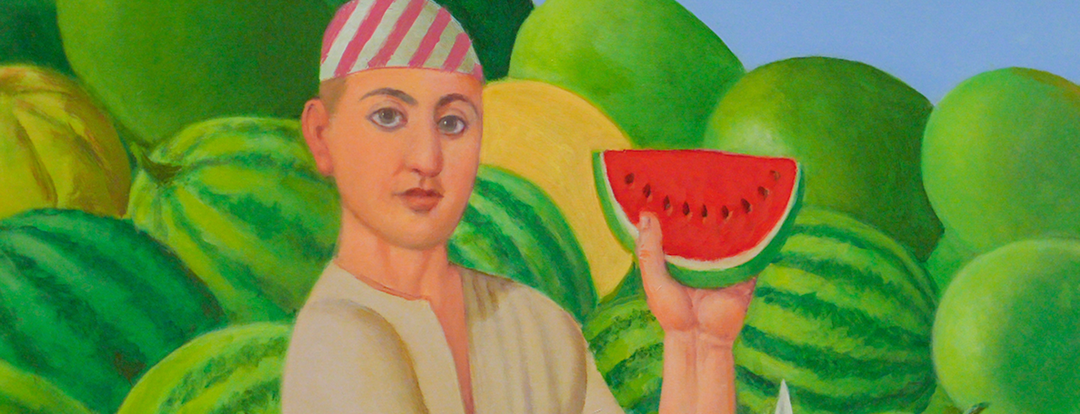
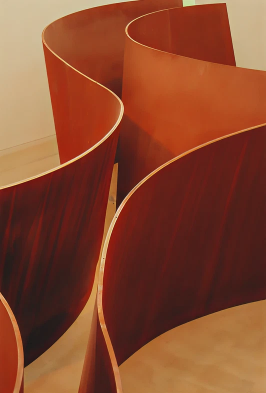
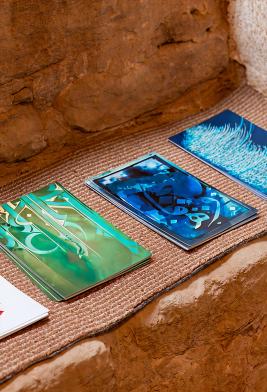
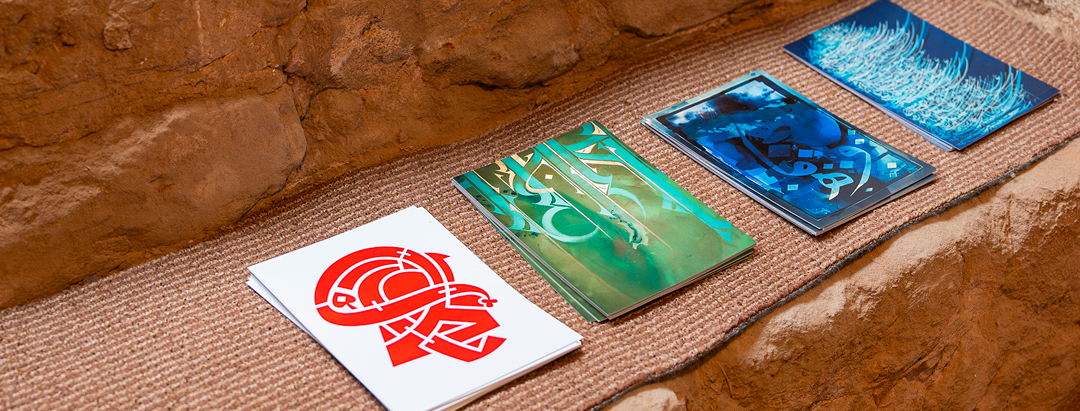

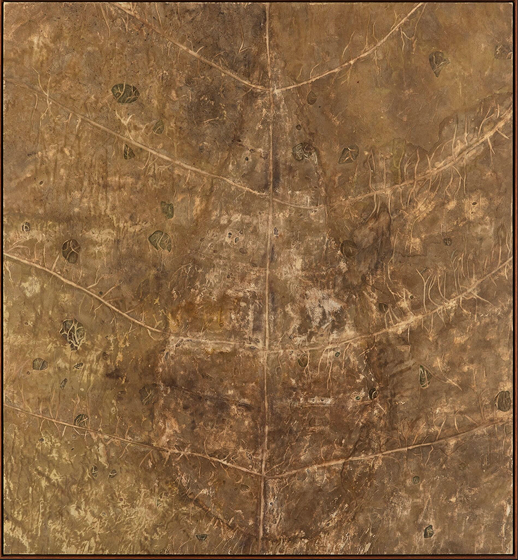
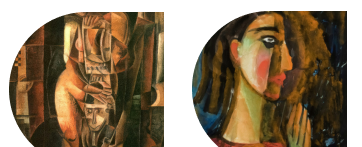
Often referred to as the era of Al-Ruwad (The Pioneers), this period marks the birth of modern Arab art. Many of these artists were sent on government-sponsored scholarships to study in European capitals like Paris and Rome. Upon returning home, they blended Western academic techniques (such as Impressionism and Realism) with local subjects, landscapes, and the emerging concept of national identity.

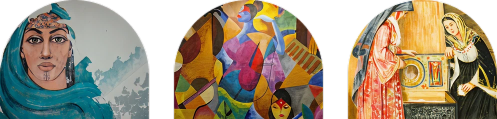
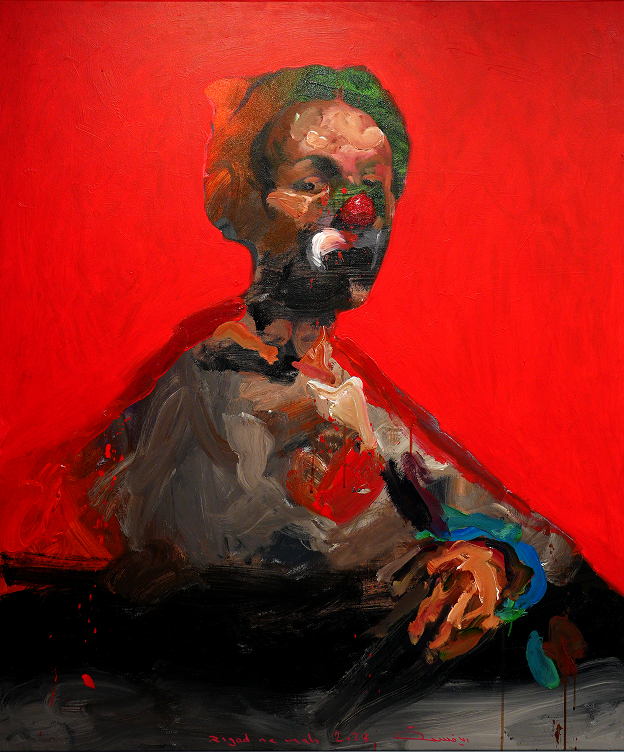
This period was heavily defined by regional political turmoil, most notably the 1967 Six-Day War (the Naksa or 'setback'), the Palestinian exodus, and the Lebanese Civil War. Art became a crucial tool for resistance, political commentary, and documenting human suffering. Existential angst and national trauma led to an emotionally charged, often somber, figurative expressionism.
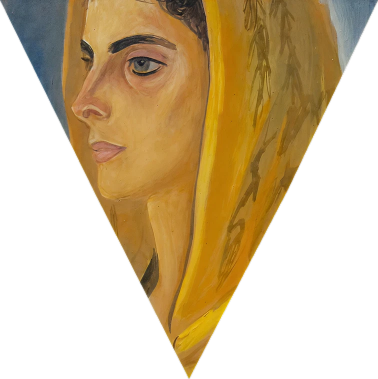
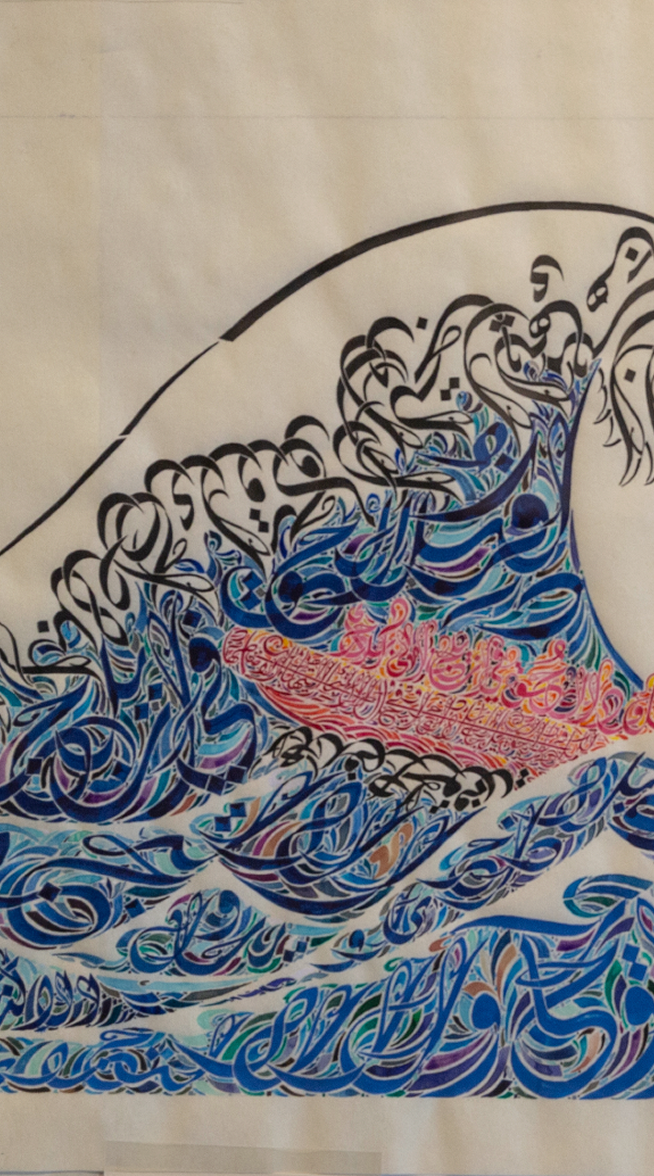
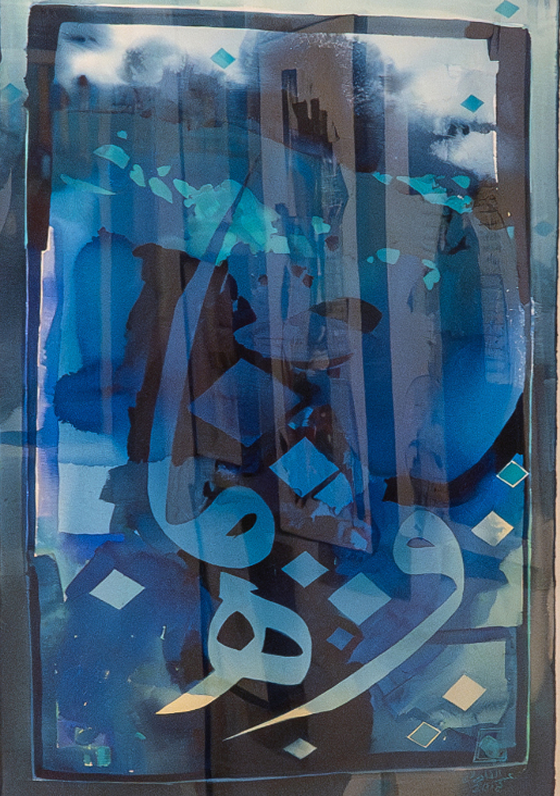
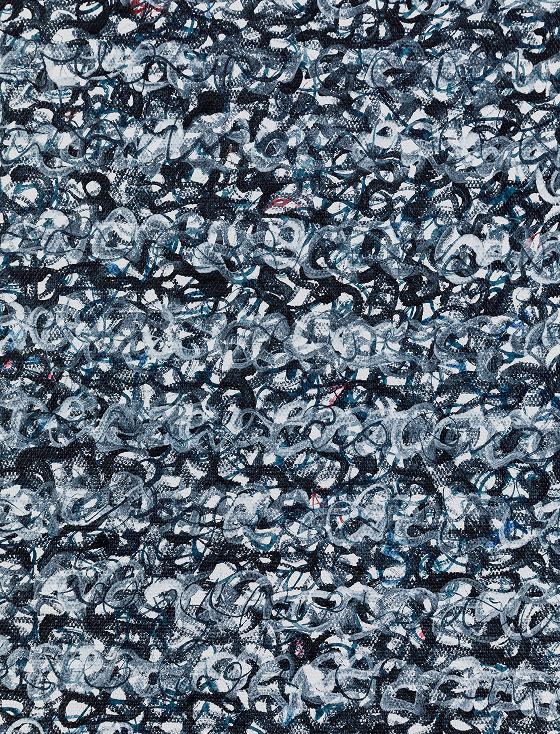
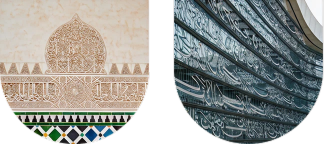
The Hurufiyya (Letterism) movement is arguably the most significant and cohesive modernist movement to emerge from the Arab world. Artists deconstructed Arabic calligraphy, liberating the letters from their linguistic and religious functions to use them as purely abstract, rhythmic, and visual elements. This allowed them to engage with global abstract expressionism while remaining deeply rooted in Islamic and Arab heritage.
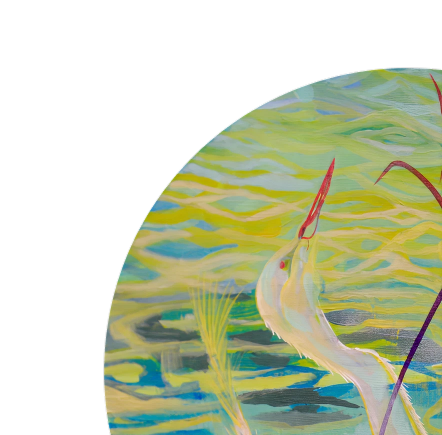
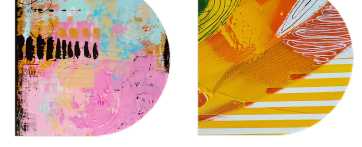
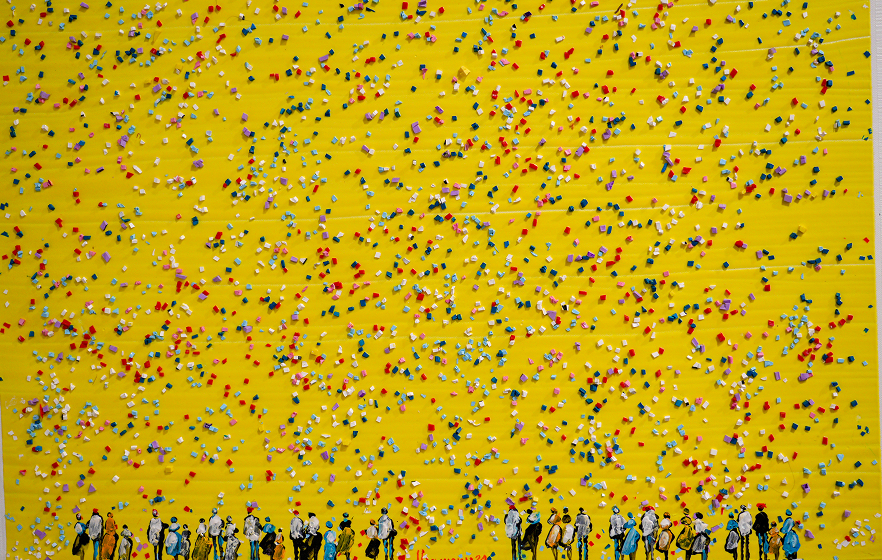
Driven by globalization, the diaspora experience, and new technologies, Arab art in this era expanded well beyond traditional painting and sculpture. It became heavily characterized by video, photography, installation, and performance art. Operating on a global stage, these artists tackle complex themes of post-colonialism, migration, memory, borders, and gender identity.
This helps us curate better recommendations for your taste


Drag & Drop your image here
or
This helps us curate better recommendations for your taste
Article by: Afra Naushad Originally published in: Arab News Publication date: April 18, 2012
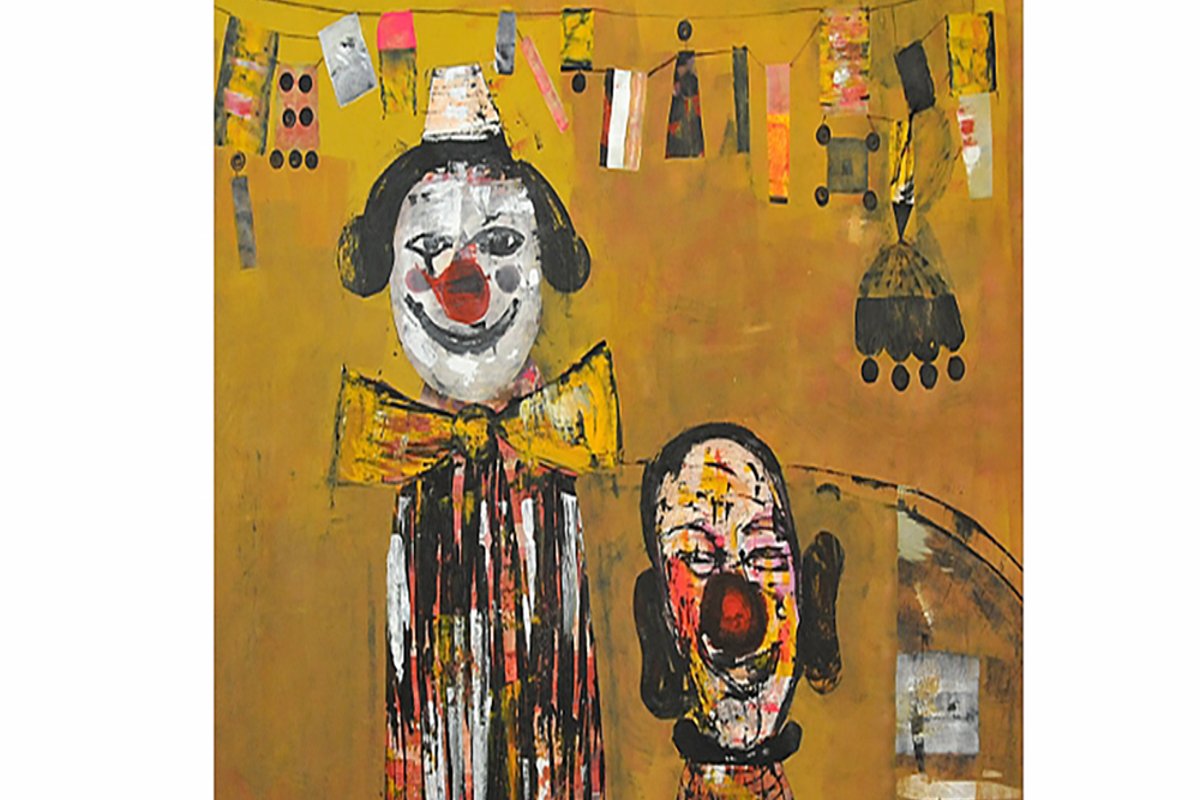
As a child I’d shunned the “delights” of the circus, because for a strange, unknown reason the experience brought forth feelings of desolation, sadness and depraved loneliness. It must have implied some unexplained subconscious conditioning that I’ll lay blame for on a tape I had watched in early childhood. Whatever my personal predicament was with the circus, Raouf Rifai’s solo exhibition Interlude at Athr Gallery did more than share my sentimental feelings for the vain form of entertainment.
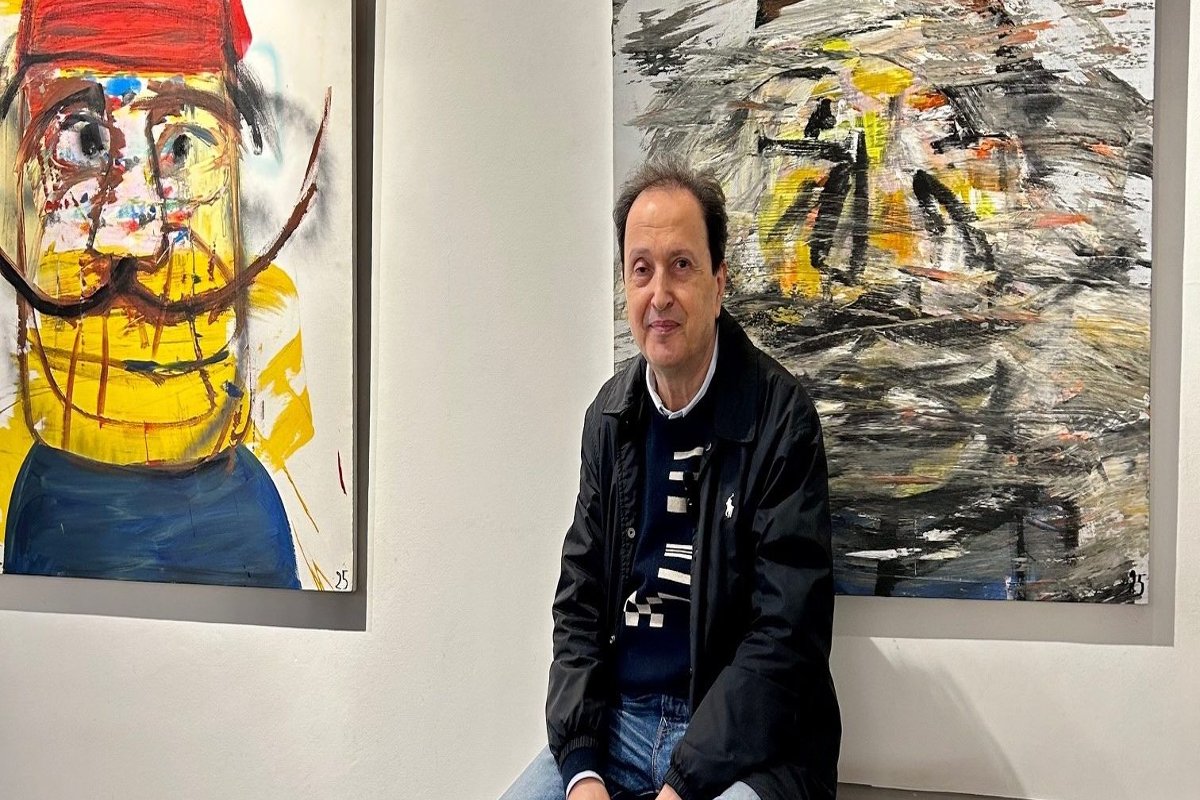
Rifai is a Lebanese artist who began painting in 1973 and has been exhibiting in the Middle East and Europe since 1989. Interlude is a crisscrossing of dialogue deliberated between two of his previous collections titled Circus of Life and Dervish.

"My art is about my own perception of what is occurring around me and my Middle Eastern community. The Middle East in its reality resembles a circus, or a theatrical play. You have your heroes and villains, monsters and angels as well as the brave and the cowardly."
The artist’s statement on the reception wall hardly sufficed the amusing spectacle I was plunged into. The exhibition boasted the razzle-dazzle of a successful farcical evening at the circus – canvases stroked in Popsicle colors of striking reds, oranges and yellows; a smattering of round, cherry noses; a one-eyed patch somewhere; a cage awaiting not the return of the poor gymnastic leopard who earned a thunderous round of applause, but a couple being bound in somber matrimony; and the absurd juxtaposition of figures awakening the induced trance by the juggler’s act.
Stark against the whimsical mood of the circus stood the many "Dervish," the solitary observers, wise in their perceptions of the world. The nature, gender and identity of the Dervish remained questionable. He is seen transcending the spiritual, ideological and social bracketing of public position.
Caught examining with grave poignancy the meaningless performance of the world outside, the Dervish is a metaphor for the ordinary man who, in the effort to guard his security and position, builds a private world, feeling protected and secure from the social occurrences that he feels are of no cause and effect to him.
But he forgets in his foolish, peasant-like simplicity that he is a pawn, juggled by the venerated and despicable power-clowns, self-promoted heroes, and undeserving celebrities who, for better or worse, affect his life forever.
Paintings like The Wedding Gift and The Emotional Nurse speak at great length about the celebrated ugliness of the mad world and the emotional refuge sought from the melodrama in the public jungle.
Some other paintings are caricatures of figures taken from popular oriental culture like the Dervish, Bahloul and Caracoz, who in many instances are found sealed from the trinity of speech, sight and hearing.
Rifai, with his keen diligence, has created an ambience of camaraderie, where in reality the crux of the matter is a prodding commentary on the Middle East’s social and political conundrum.
His style may not be precise and acute, but he has the ability to give the subjects he paints the power of transience, change and metamorphosis.
Interlude signifies the hiccup between two opposite poles on the same end – between what is desired and what is received. The two series together create an ensuing dialogue of wonder and meaning in the stage of life with all the characters of a theatrical performance intact.
"Art is the mirror of reality," Rifai said.
 READ NEXT ARTICLE