Welcome to MENA Art
Exclusive access to galleries and artists across the region etc.
Search the ADAI marketplace by uploading an image and explore visually similar artworks.

Drag an image here

Exclusive access to galleries and artists across the region etc.
Art investment in the MENA region is evolving rapidly, blending cultural insight with strong market growth.
Would you like to:
ADAI works with artists across the Middle East and North Africa to ensure their work is seen, understood, and contextualized. Representation on ADAI means supporting artists through curated visibility, research, and digital presentation, connecting their work to audiences, exhibitions, and broader cultural conversations.
Artists featured on ADAI are not exclusively signed or commercially represented— instead, ADAI provides a platform to showcase your practice, highlight your perspective, and situate your work within the evolving landscape of MENA art.
By representing your work on ADAI, you gain access to:
Representation is about visibility, context, and community - helping your art reach the right audiences while respecting your autonomy as an artist."
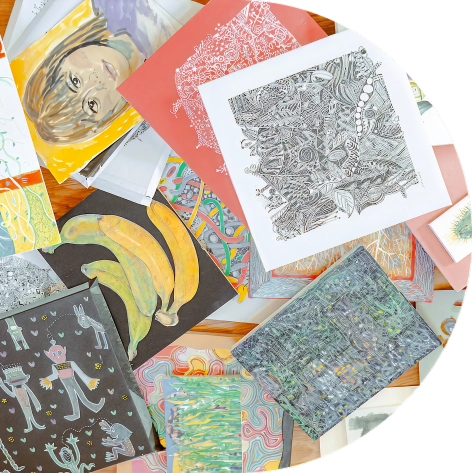
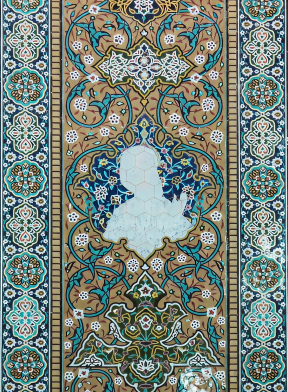
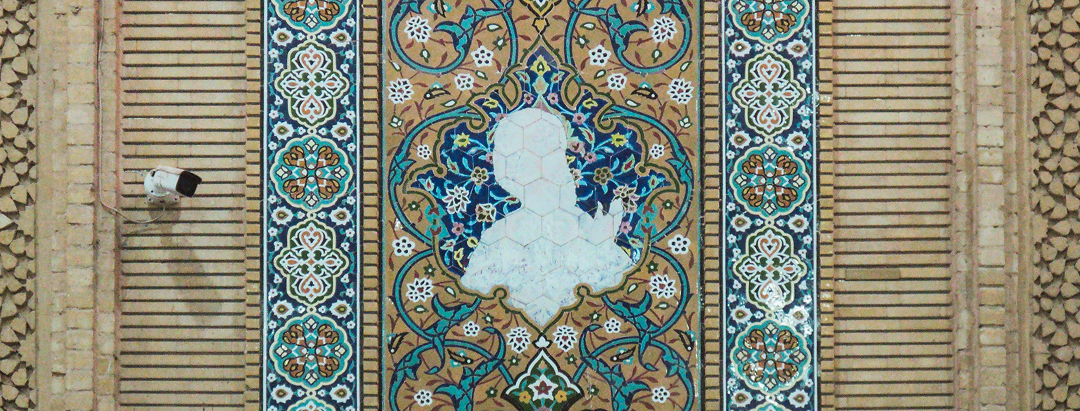
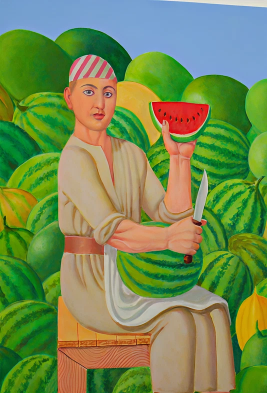
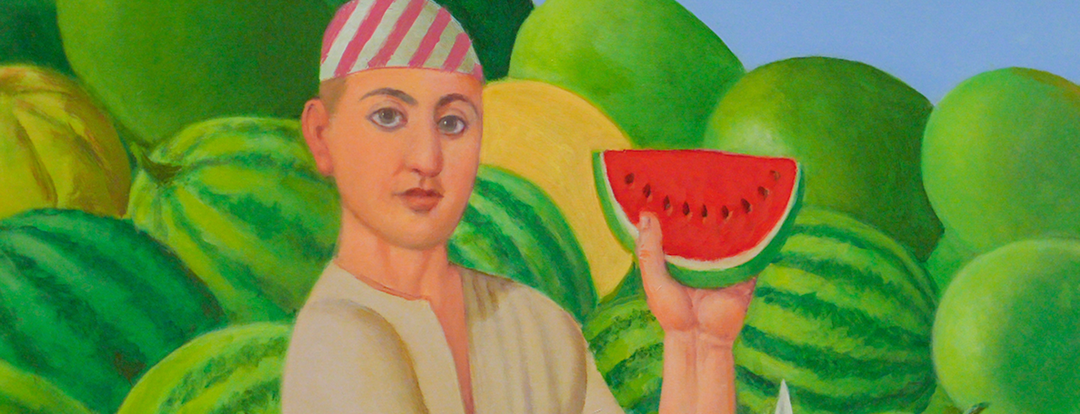

Often referred to as the era of Al-Ruwad (The Pioneers), this period marks the birth of modern Arab art. Many of these artists were sent on government-sponsored scholarships to study in European capitals like Paris and Rome. Upon returning home, they blended Western academic techniques (such as Impressionism and Realism) with local subjects, landscapes, and the emerging concept of national identity.

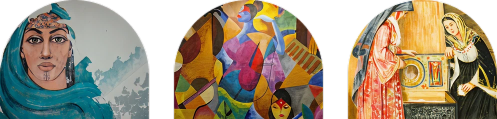
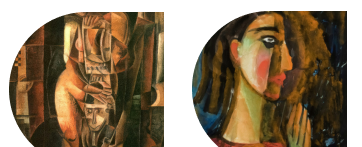
This period was heavily defined by regional political turmoil, most notably the 1967 Six-Day War (the Naksa or 'setback'), the Palestinian exodus, and the Lebanese Civil War. Art became a crucial tool for resistance, political commentary, and documenting human suffering. Existential angst and national trauma led to an emotionally charged, often somber, figurative expressionism.
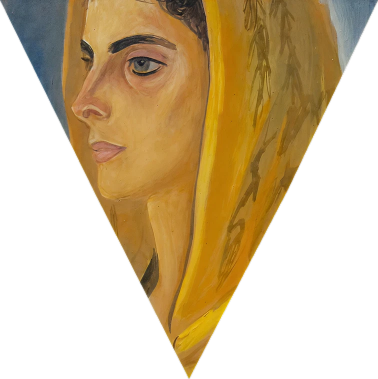
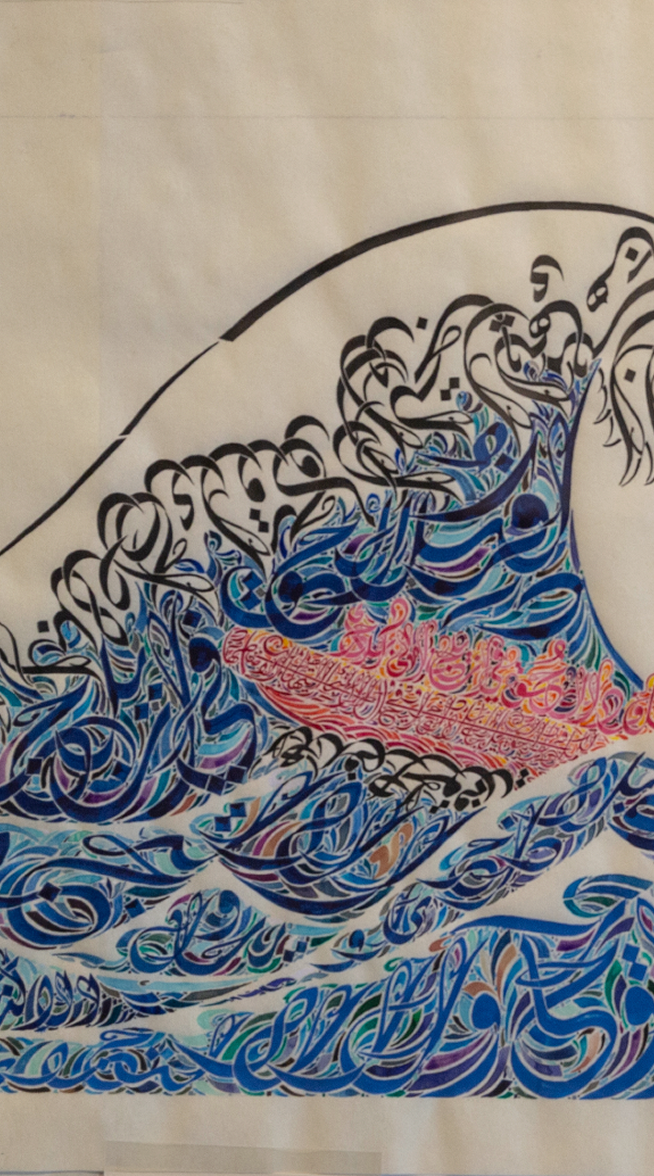
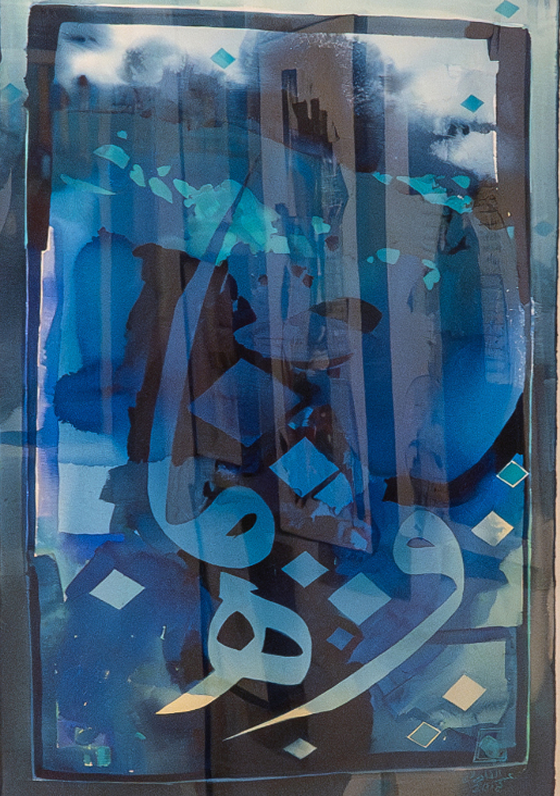
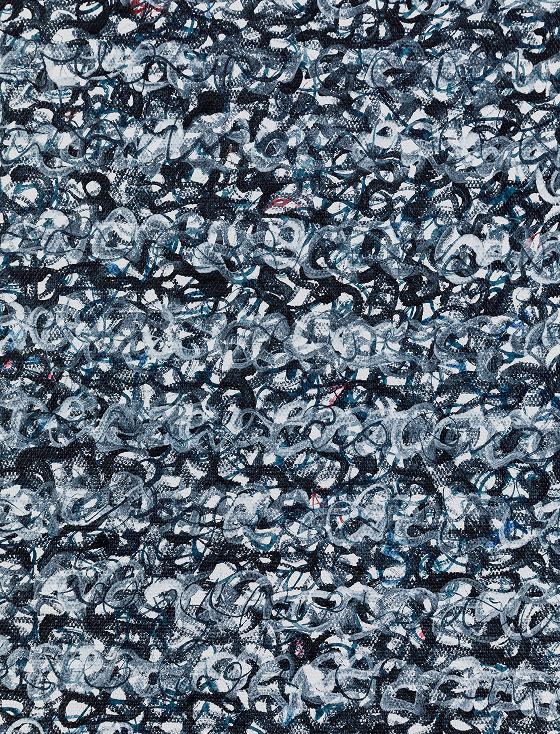
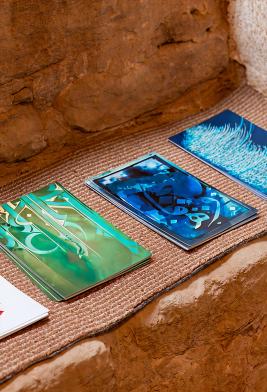
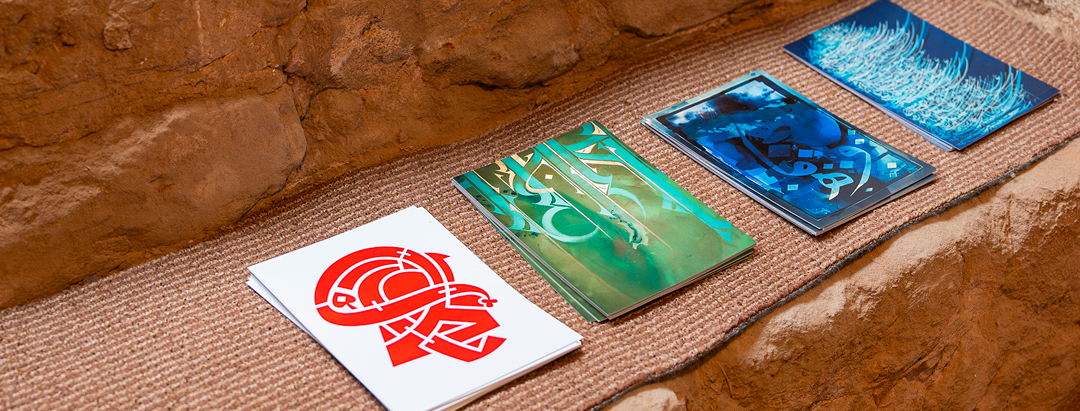
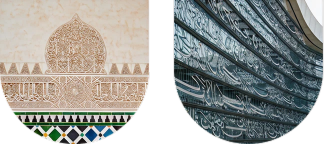
The Hurufiyya (Letterism) movement is arguably the most significant and cohesive modernist movement to emerge from the Arab world. Artists deconstructed Arabic calligraphy, liberating the letters from their linguistic and religious functions to use them as purely abstract, rhythmic, and visual elements. This allowed them to engage with global abstract expressionism while remaining deeply rooted in Islamic and Arab heritage.
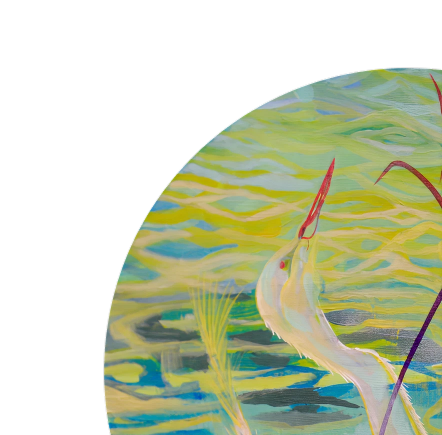
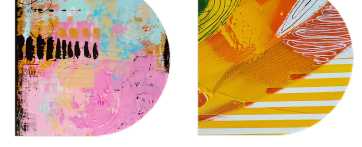
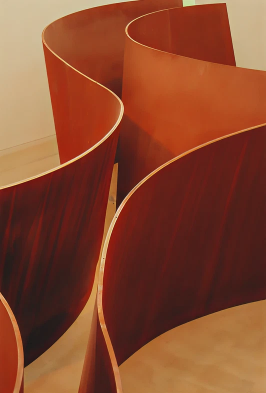
Driven by globalization, the diaspora experience, and new technologies, Arab art in this era expanded well beyond traditional painting and sculpture. It became heavily characterized by video, photography, installation, and performance art. Operating on a global stage, these artists tackle complex themes of post-colonialism, migration, memory, borders, and gender identity.
This helps us curate better recommendations for your taste


Drag & Drop your image here
or
This helps us curate better recommendations for your taste
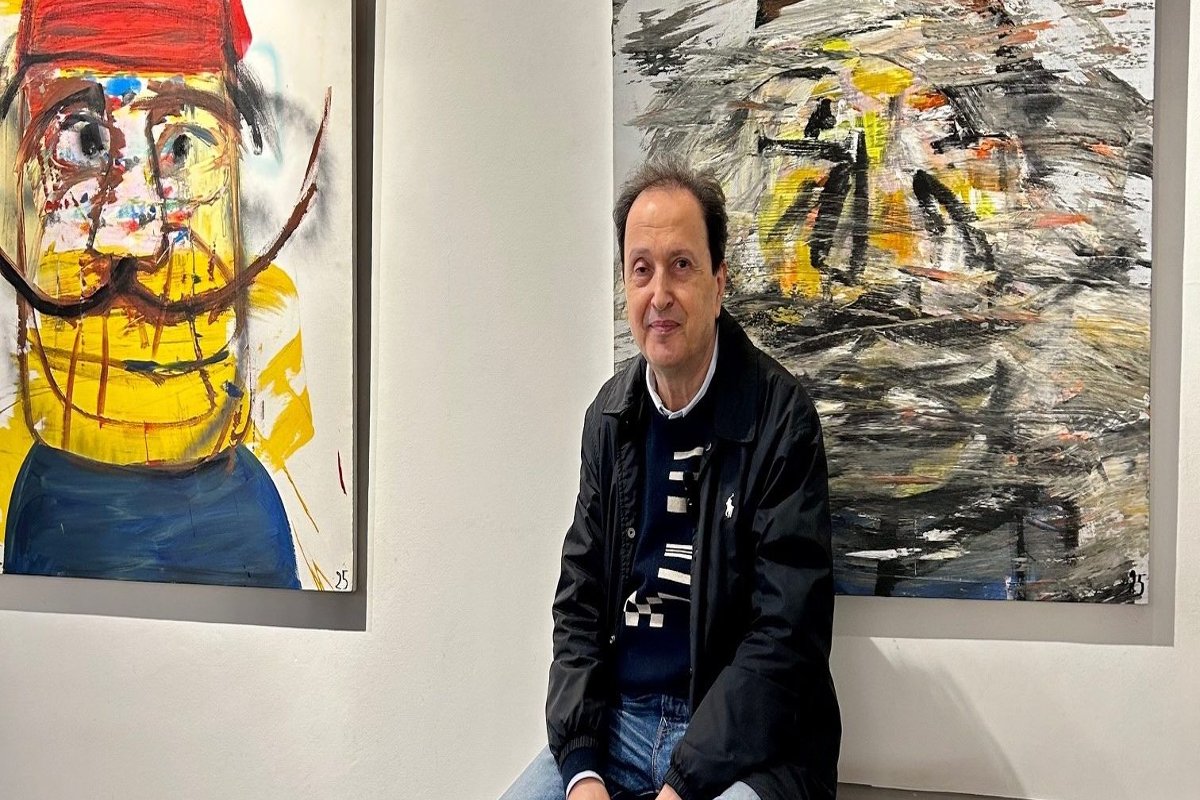
An intimate dialogue with Raouf Rifai on art, identity, and the evolving meaning behind the Darwich.
For more than half a century, Lebanese painter Raouf Rifai has explored the complexities of human identity and psychology. Born in Baalbek and raised in Beirut, Rifai’s life has unfolded alongside Lebanon’s turbulent modern history — an experience that profoundly shaped his artistic vision and the recurring themes in his work.
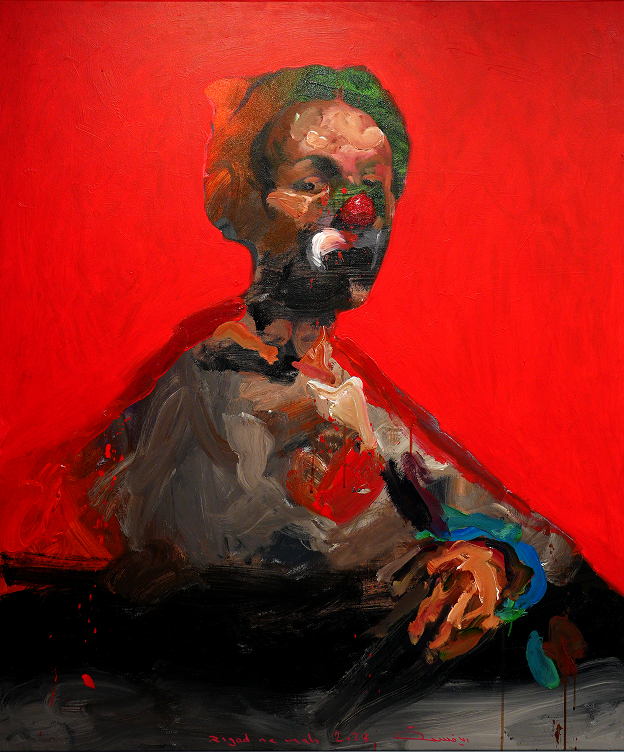
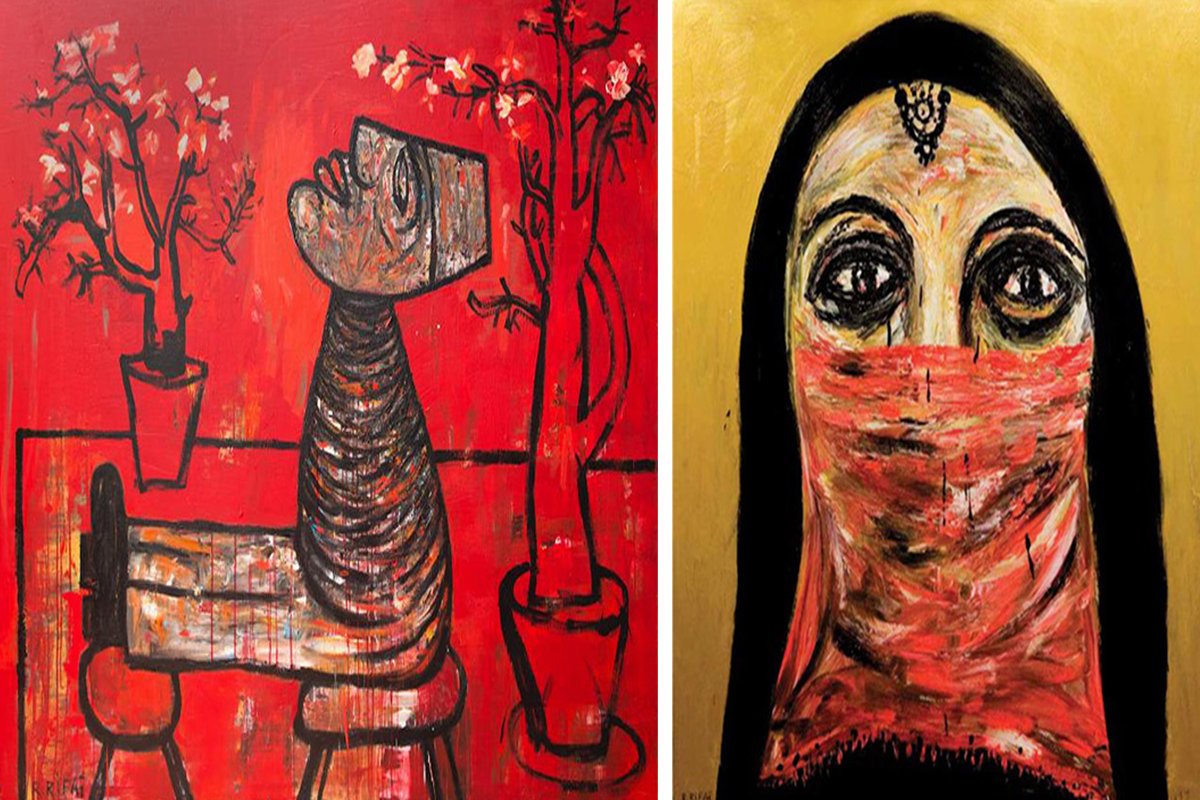
Central to Rifai’s art is the Darwich, a figure that embodies the human psyche, social contradictions and the multifaceted identity of the Middle East. In this conversation at Nadine Fayad Art Gallery, Rifai reflects on his childhood in the Bekaa and why he believes that art must always engage with society.
How did your childhood and early experiences shape your artistic vision?
I was born in Baalbeck and lived there until I was seven. The city was like paradise, full of greenery and history. My father would take me to the hills, and I would sketch everything I saw. But when my father passed away, we moved to Beirut, and everything changed. The transition was sudden — from open space to the crowded reality of the city. I stopped drawing for years.
It wasn’t until I joined Saint Joseph School in Mtein that I returned to painting. That contrast between paradise and chaos deeply influenced my art. It shaped my focus on human psychology and the symbolic language I developed through figures like the Darwich.
How has being Lebanese influenced your approach to art?
Being Lebanese has given me a dual lens: love for the country and frustration with its failures. Lebanon is rich in culture yet burdened by divisions and inequality. My art expresses that tension, focusing on identity, resilience and the human condition.
The Darwich appears frequently in your paintings. What does it represent?
The Darwich is a human symbol. He is a hero, sometimes a clown, sometimes a thinker, always multilayered. He wears masks to reflect the social performance required in our societies — fear, compromise and humor.
Through the Darwich, I explore psychological complexity and cultural contradictions. Every Darwich is different; each painting offers a new personality and story. Collectors often return because they see continuity and evolution in his character.
How did your studies influence your artistic development?
Studying decorative arts in Lebanon grounded me in craftsmanship and detail. My PhD in urbanism in Paris exposed me to theory and structure. The combination allowed me to blend technical skill with conceptual thinking.
In Lebanon, I learned culture and heritage. In Paris, I saw how art interacts with society and space. Both experiences shaped a language rooted in Lebanese reality but engaged with global discourse.
How have your style and themes evolved over time?
I began with small drawings and gradually moved to larger canvases. Over the years, I experimented with many styles, but the core — human psychology and social reality — has remained.
The Darwich became a central motif, allowing me to condense observation, humor and critique into one figure. My evolution is continuous. Every painting is a way to challenge myself while maintaining authenticity.
What did winning the Salon d’Automne prize mean to you?
The recognition validated my direction with the Darwich series. It showed that my work resonated locally and internationally, reinforcing my belief that art must communicate social and psychological truths.
What do you miss most about Lebanon when you are away?
I miss the openness, the community and the landscapes — the mountains, the sea and the sense of belonging. I miss the everyday life, the streets, the markets and the cultural mosaic that makes Lebanon extraordinary.
What advice would you give emerging artists?
Be authentic and experimental. Embrace both technique and concept, and find a voice rooted in personal and social experience. Art must engage with the world — it should speak, challenge and provoke thought.
Above all, stay sincere. Without sincerity, art loses its power.
 READ NEXT ARTICLE