Welcome to MENA Art
Exclusive access to galleries and artists across the region etc.
Search the ADAI marketplace by uploading an image and explore visually similar artworks.

Drag an image here

Exclusive access to galleries and artists across the region etc.
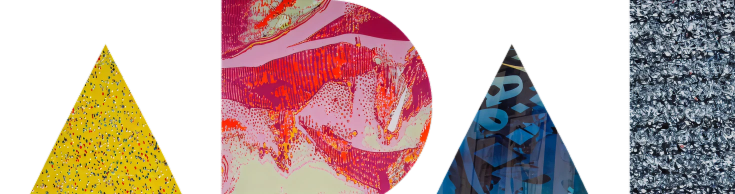
Art investment in the MENA region is evolving rapidly, blending cultural insight with strong market growth.
Would you like to:
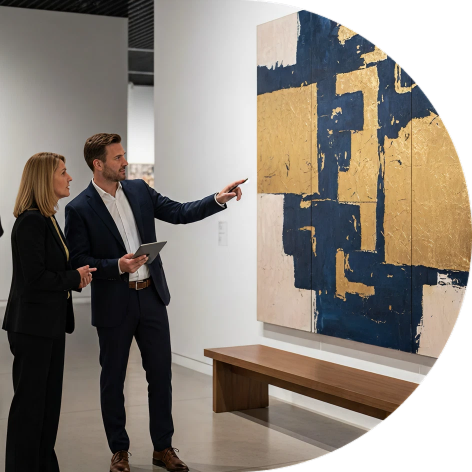
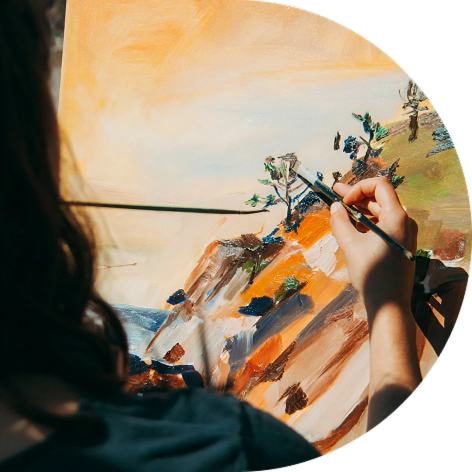
ADAI works with artists across the Middle East and North Africa to ensure their work is seen, understood, and contextualized. Representation on ADAI means supporting artists through curated visibility, research, and digital presentation, connecting their work to audiences, exhibitions, and broader cultural conversations.
Artists featured on ADAI are not exclusively signed or commercially represented— instead, ADAI provides a platform to showcase your practice, highlight your perspective, and situate your work within the evolving landscape of MENA art.
By representing your work on ADAI, you gain access to:
Representation is about visibility, context, and community - helping your art reach the right audiences while respecting your autonomy as an artist."
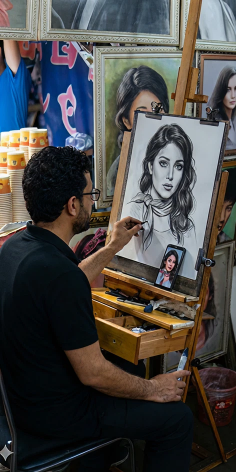
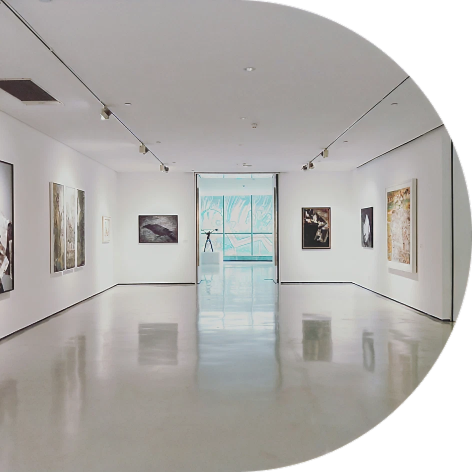
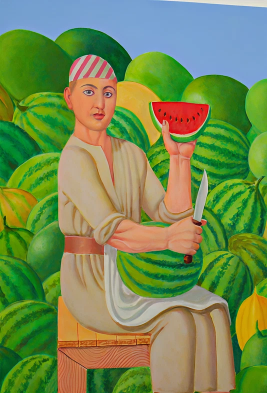
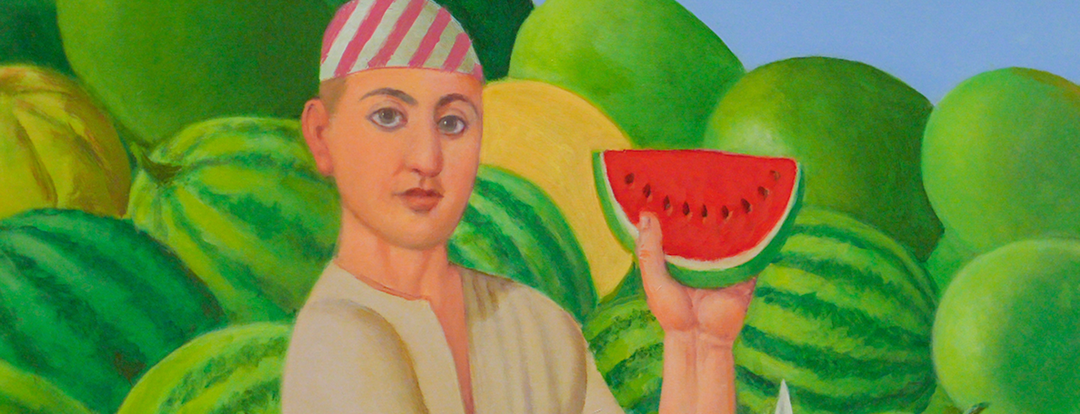
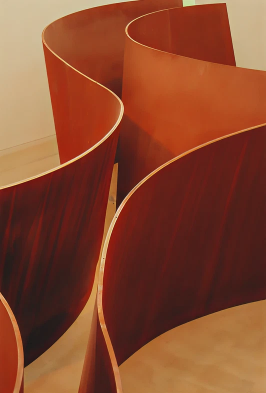
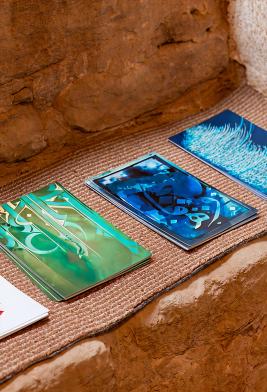
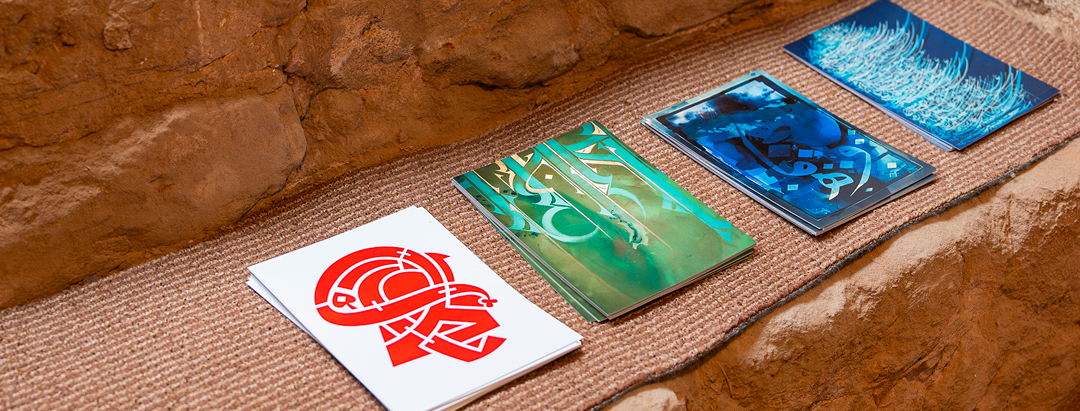

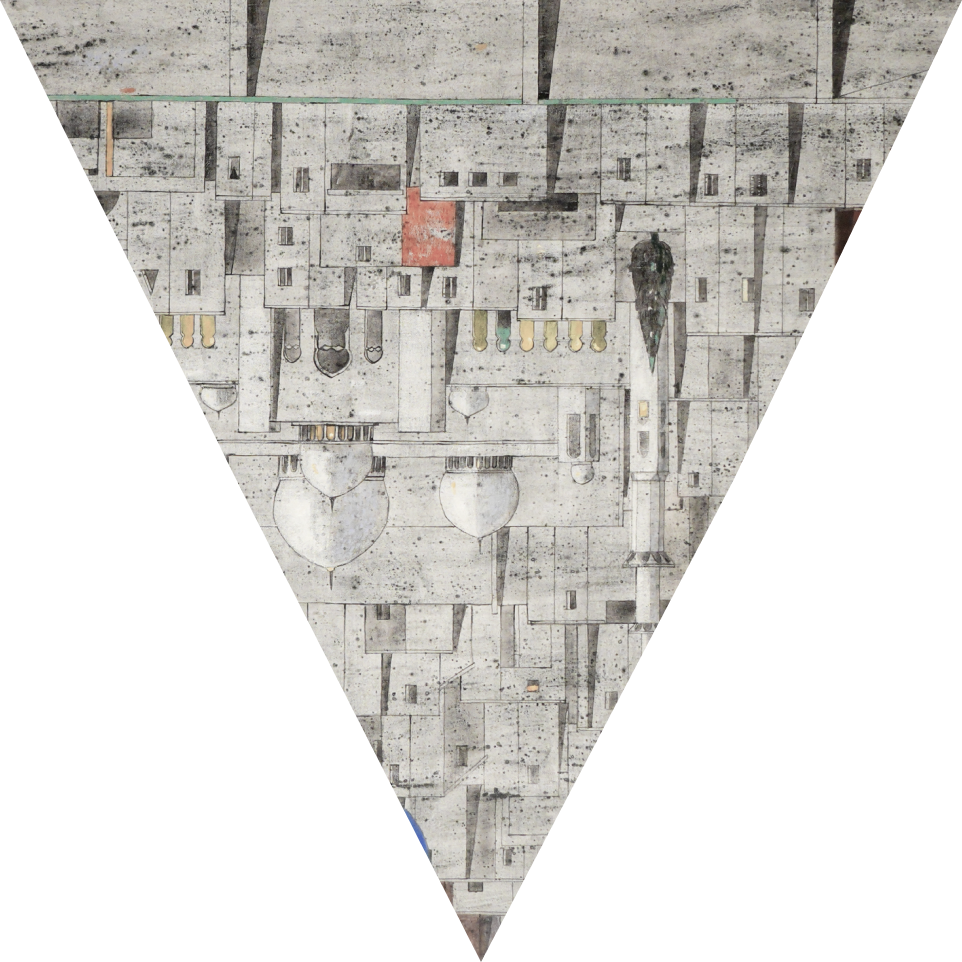
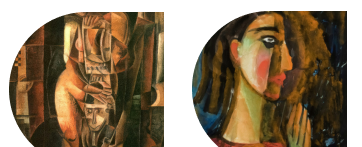
Often referred to as the era of Al-Ruwad (The Pioneers), this period marks the birth of modern Arab art. Many of these artists were sent on government-sponsored scholarships to study in European capitals like Paris and Rome. Upon returning home, they blended Western academic techniques (such as Impressionism and Realism) with local subjects, landscapes, and the emerging concept of national identity.

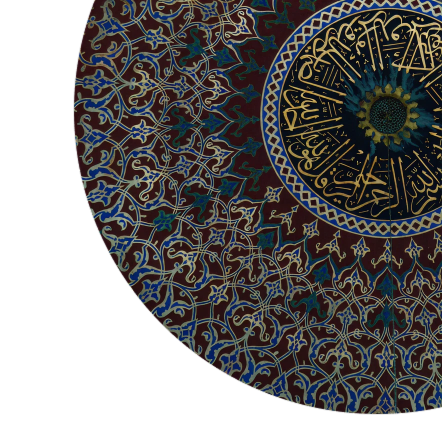
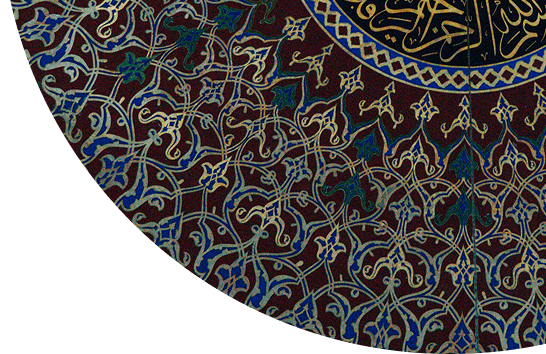
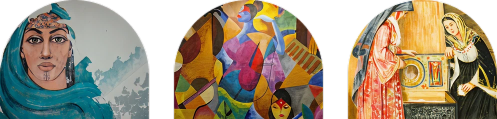
This period was heavily defined by regional political turmoil, most notably the 1967 Six-Day War (the Naksa or 'setback'), the Palestinian exodus, and the Lebanese Civil War. Art became a crucial tool for resistance, political commentary, and documenting human suffering. Existential angst and national trauma led to an emotionally charged, often somber, figurative expressionism.
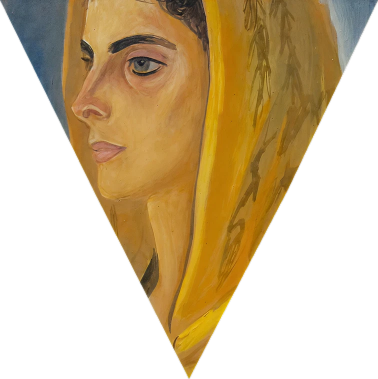
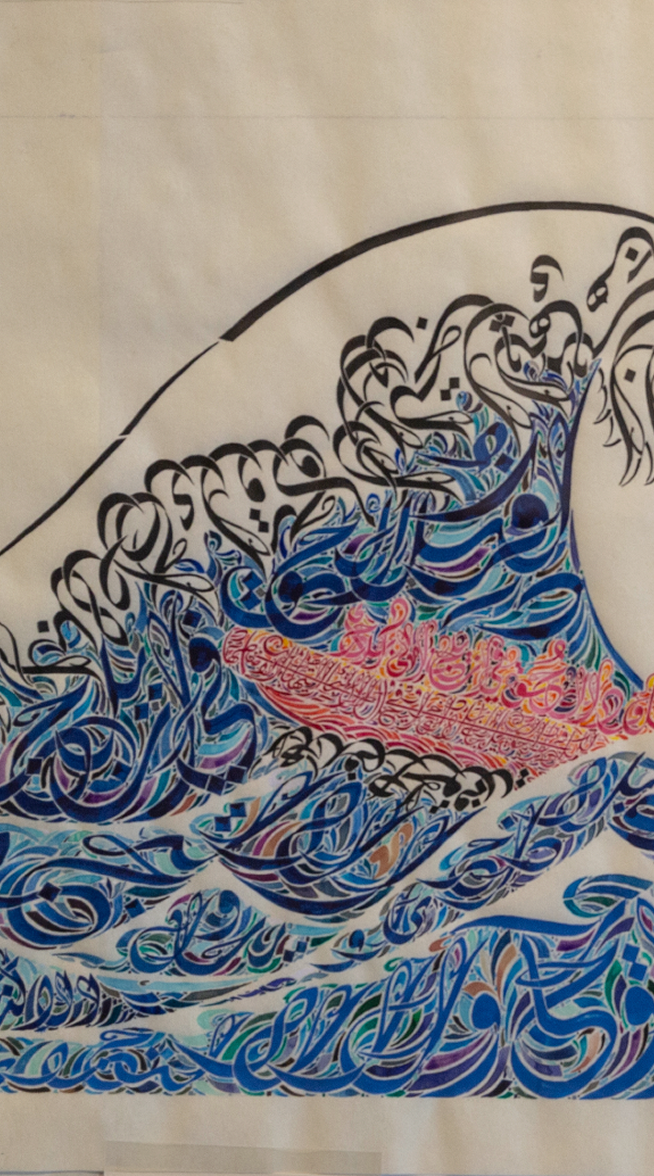
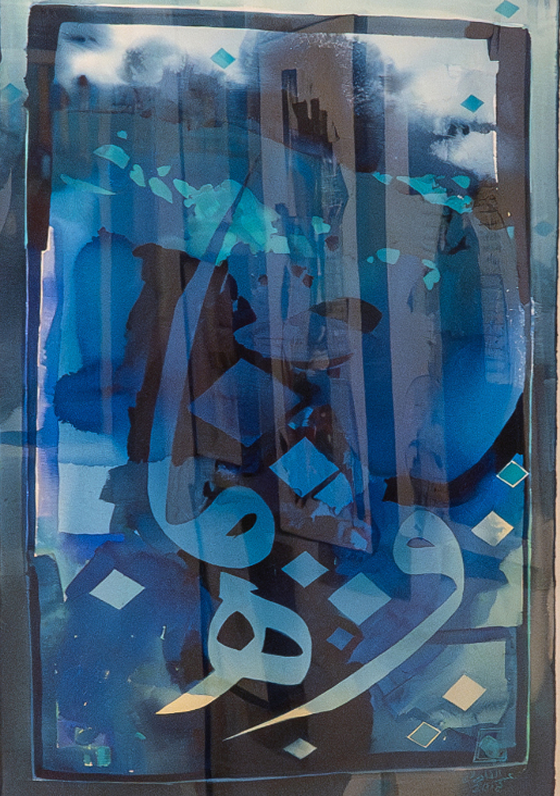
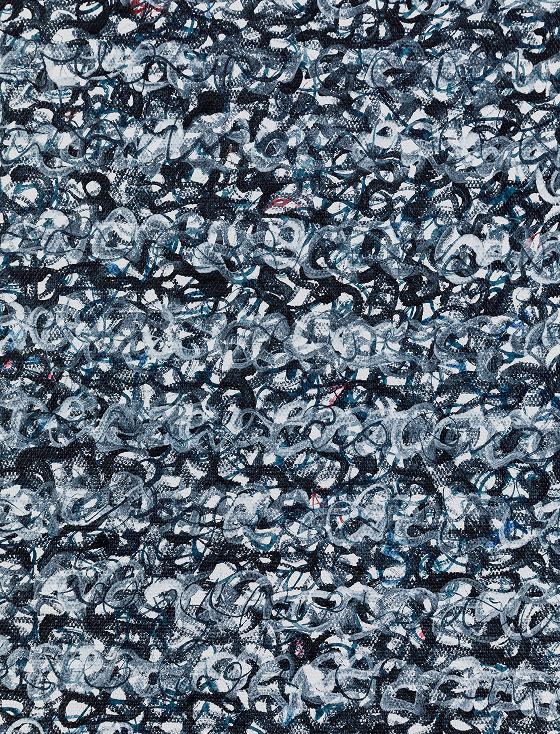
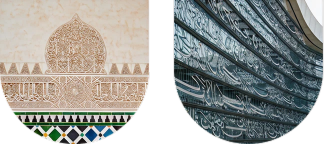
The Hurufiyya (Letterism) movement is arguably the most significant and cohesive modernist movement to emerge from the Arab world. Artists deconstructed Arabic calligraphy, liberating the letters from their linguistic and religious functions to use them as purely abstract, rhythmic, and visual elements. This allowed them to engage with global abstract expressionism while remaining deeply rooted in Islamic and Arab heritage.
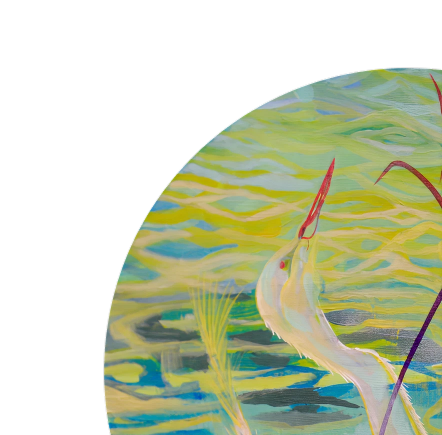
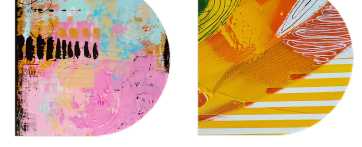
Driven by globalization, the diaspora experience, and new technologies, Arab art in this era expanded well beyond traditional painting and sculpture. It became heavily characterized by video, photography, installation, and performance art. Operating on a global stage, these artists tackle complex themes of post-colonialism, migration, memory, borders, and gender identity.
This helps us curate better recommendations for your taste


Drag & Drop your image here
or
This helps us curate better recommendations for your taste
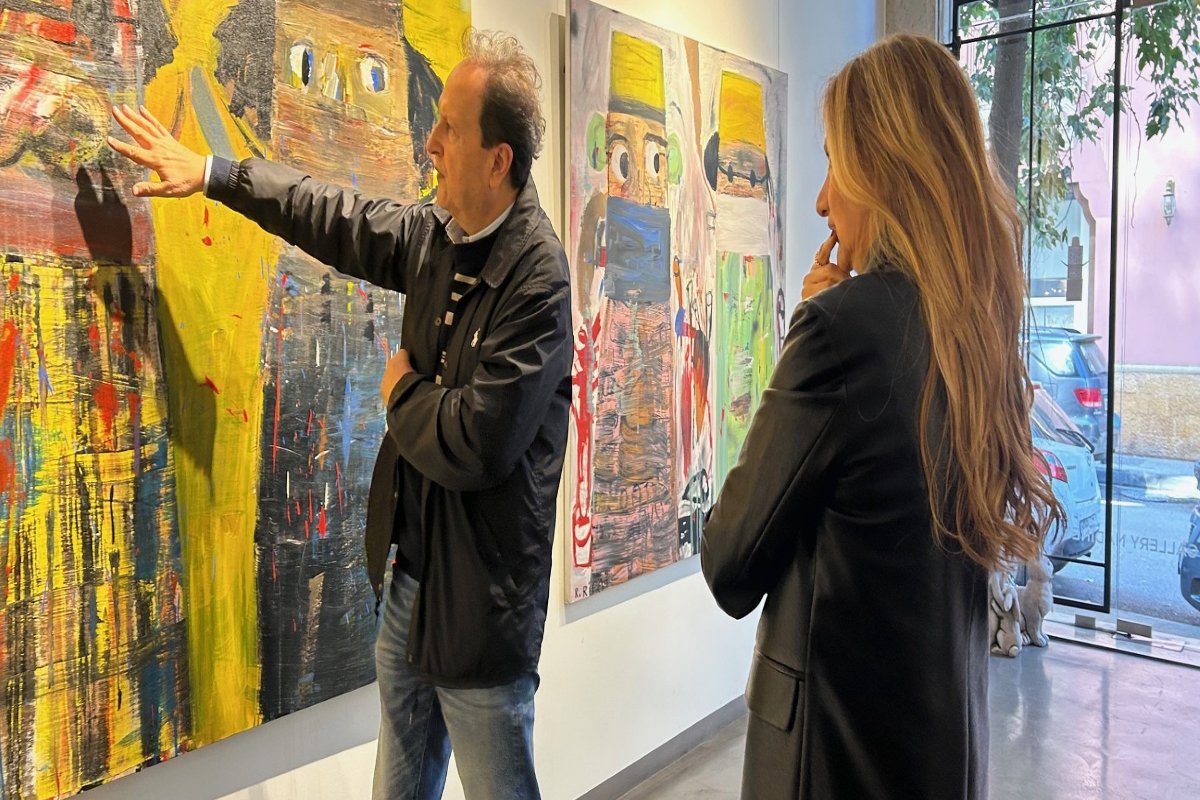
A focused look at Nadine Fayad Art Gallery and its exclusive representation of Raouf Rifaï, exploring a singular artistic vision rooted in identity and cultural depth.
Founded in Beirut in 2021, Nadine Fayad Art Gallery emerges as a contemporary space shaped by passion, precision, and a deeply personal connection to art. Rather than positioning itself as a broad multi-artist platform, the gallery is defined by a focused curatorial vision—one that revolves around the exclusive representation of Lebanese artist Raouf Rifaï. This deliberate direction gives the gallery a distinct identity, allowing it to operate not simply as an exhibition space, but as a dedicated environment for the exploration of a singular, evolving artistic universe.
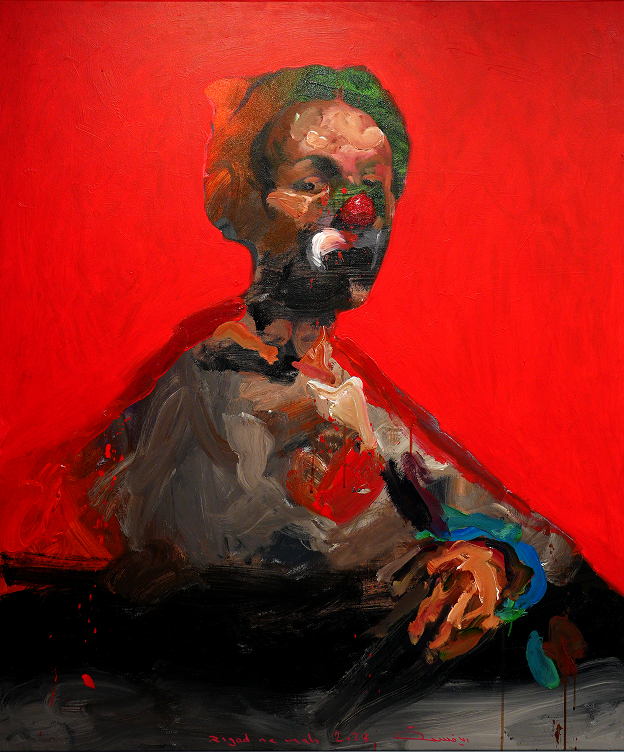
At the heart of the gallery lies the work of Raouf Rifaï, an artist whose career spans more than five decades and whose practice reflects a continuous engagement with human psychology, identity, and the complexities of Lebanese society. Born in Baalbek and raised in Beirut, Rifaï’s life has unfolded alongside the shifting realities of Lebanon, shaping a visual language that is both deeply personal and universally resonant.
Central to his work is the recurring figure of the Darwich—a symbolic character that transcends simple representation. The Darwich embodies contradiction: he is at once a thinker, a performer, a witness, and a reflection of the human condition. Through this figure, Rifaï explores themes of social tension, identity fragmentation, resilience, and adaptation. Each painting becomes a narrative in itself, offering a new interpretation of this multifaceted character, while maintaining continuity across his body of work.
Nadine Fayad Art Gallery serves as the primary stage for this ongoing narrative. Its exhibitions are not isolated events but part of a larger, cohesive dialogue that unfolds over time. By dedicating its space exclusively to Rifaï’s work, the gallery provides collectors and visitors with the rare opportunity to engage deeply with an artist’s evolution—observing shifts in technique, scale, and conceptual approach across different periods.
This focused representation also reinforces a sense of authenticity and trust. Collectors are not simply acquiring individual artworks; they are entering a carefully curated ecosystem where each piece is connected to a broader artistic journey. The gallery acts as both a guardian and a storyteller, preserving the integrity of the work while presenting it within a contemporary and accessible context.
Beyond its physical presence in Beirut, Nadine Fayad Art Gallery actively participates in regional and international art fairs, extending the reach of Rifaï’s work to a wider audience. These platforms allow the gallery to position Lebanese contemporary art within a global conversation, highlighting its cultural depth and intellectual richness.
The gallery’s approach reflects a balance between tradition and modernity. While rooted in Lebanese identity and artistic heritage, it embraces contemporary presentation methods and evolving modes of engagement, including digital platforms that make the work accessible to collectors worldwide. This transition into online visibility does not dilute its essence; rather, it reinforces its mission by bringing a highly curated artistic experience into new spaces.
Ultimately, Nadine Fayad Art Gallery is defined by clarity of vision. In an art world often driven by multiplicity and rapid turnover, it chooses depth over breadth, continuity over dispersion. Its commitment to a single artist allows for a more profound exploration of artistic meaning, offering audiences an experience that is both intimate and intellectually engaging.
Through this singular focus, the gallery stands as a testament to the power of dedication—where one artist, one vision, and one space come together to create a lasting cultural dialogue.
 READ NEXT ARTICLE