Welcome to MENA Art
Exclusive access to galleries and artists across the region etc.
Search the ADAI marketplace by uploading an image and explore visually similar artworks.

Drag an image here

Exclusive access to galleries and artists across the region etc.
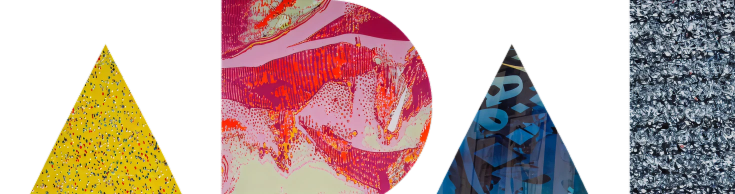
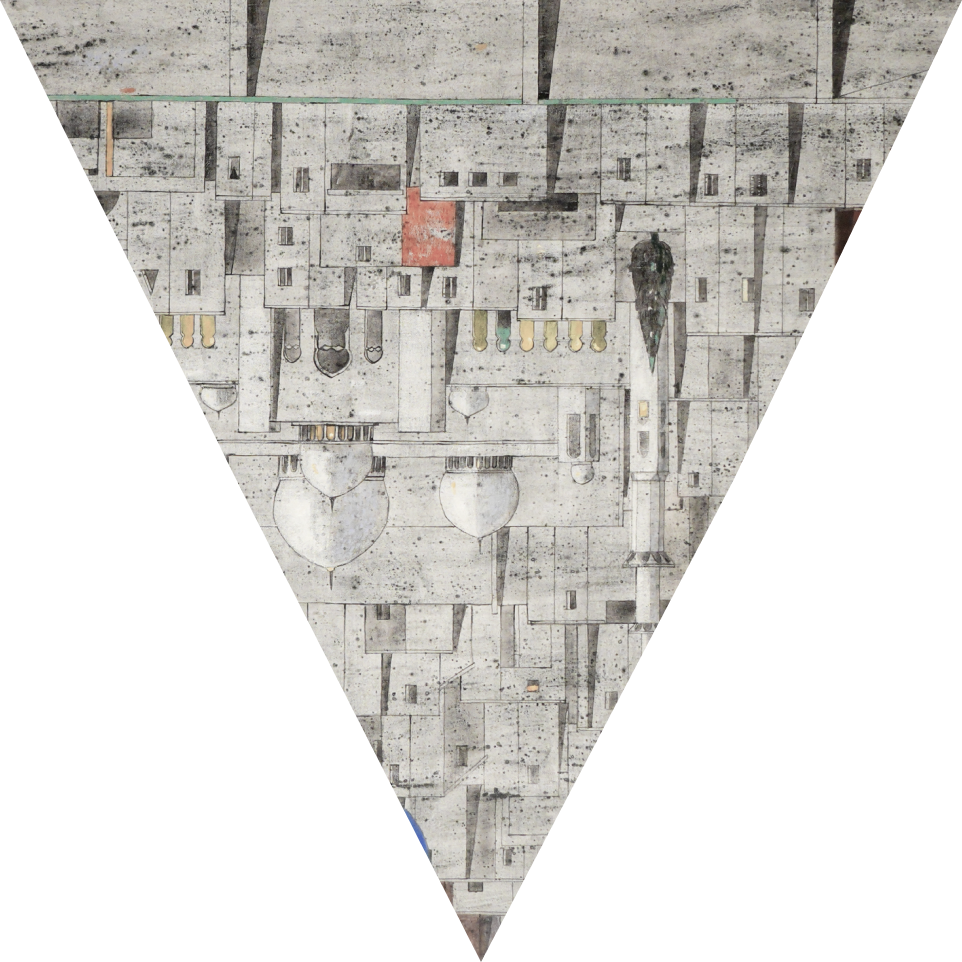
Art investment in the MENA region is evolving rapidly, blending cultural insight with strong market growth.
Would you like to:
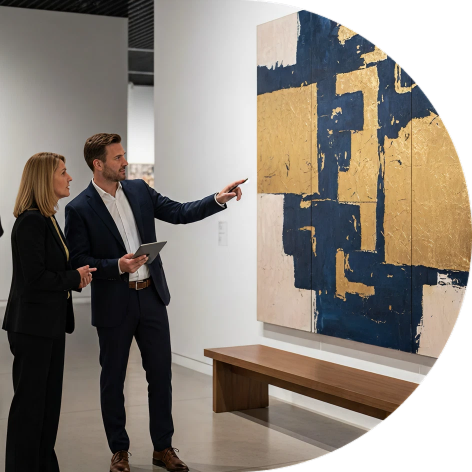
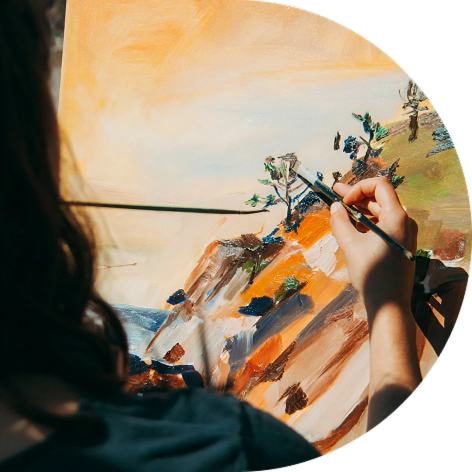
ADAI works with artists across the Middle East and North Africa to ensure their work is seen, understood, and contextualized. Representation on ADAI means supporting artists through curated visibility, research, and digital presentation, connecting their work to audiences, exhibitions, and broader cultural conversations.
Artists featured on ADAI are not exclusively signed or commercially represented— instead, ADAI provides a platform to showcase your practice, highlight your perspective, and situate your work within the evolving landscape of MENA art.
By representing your work on ADAI, you gain access to:
Representation is about visibility, context, and community - helping your art reach the right audiences while respecting your autonomy as an artist."
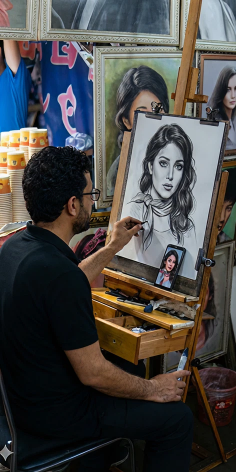
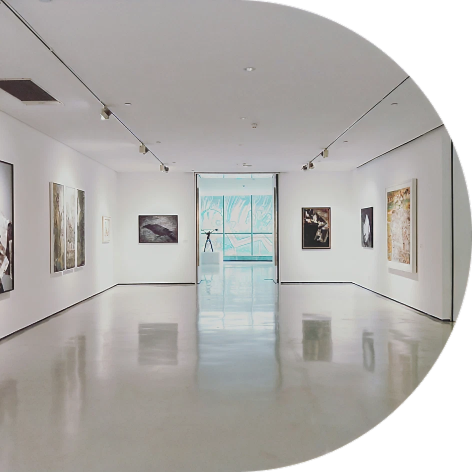
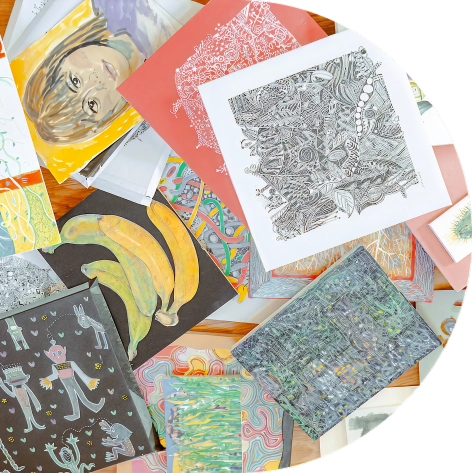
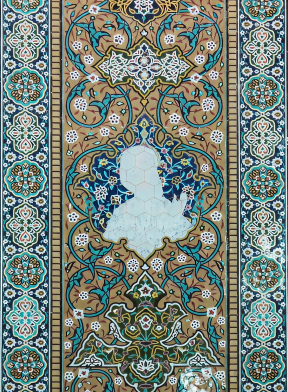
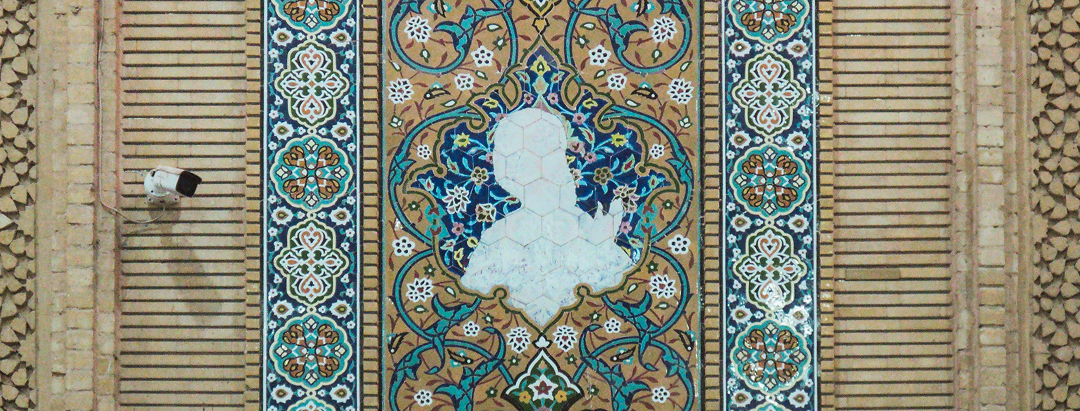
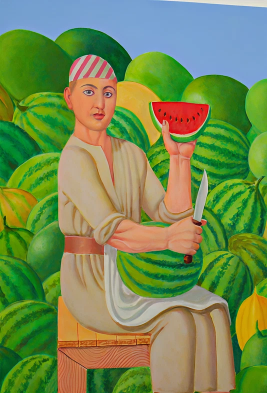
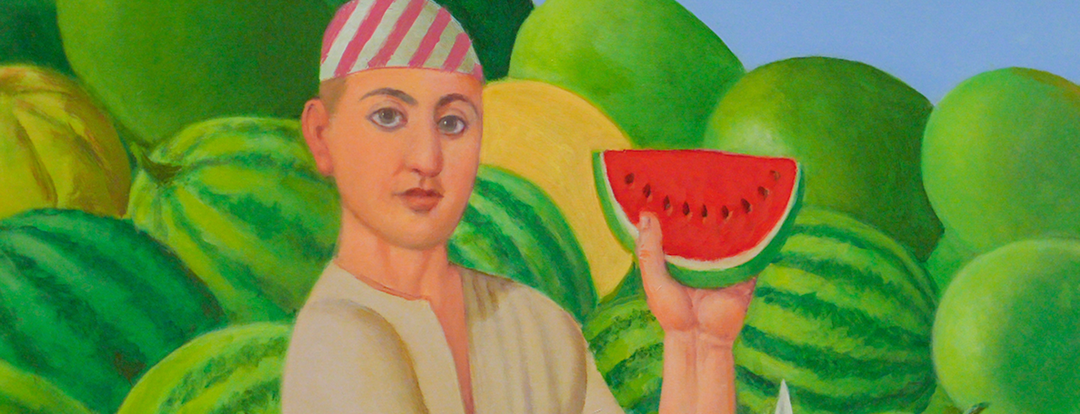
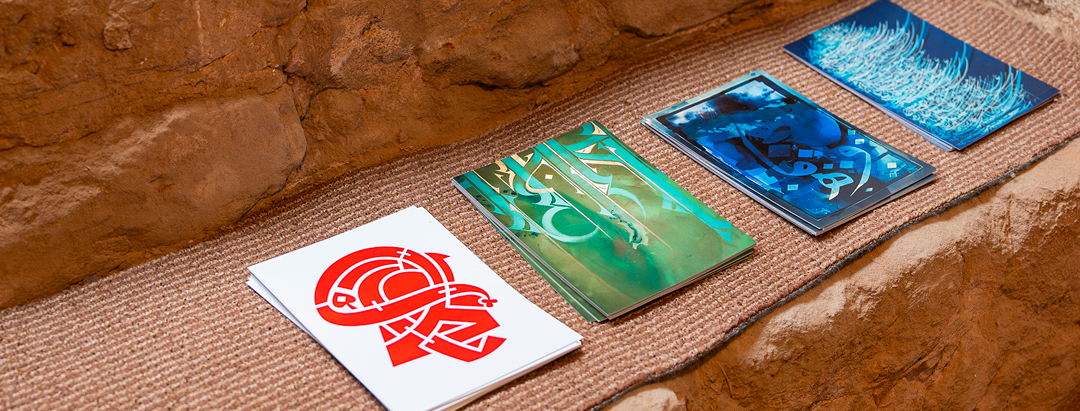

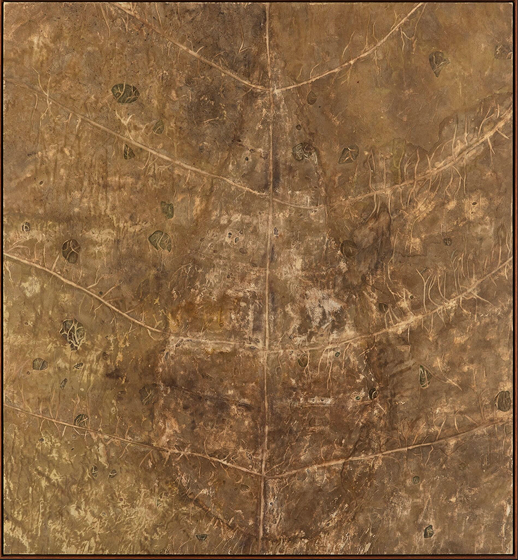
Often referred to as the era of Al-Ruwad (The Pioneers), this period marks the birth of modern Arab art. Many of these artists were sent on government-sponsored scholarships to study in European capitals like Paris and Rome. Upon returning home, they blended Western academic techniques (such as Impressionism and Realism) with local subjects, landscapes, and the emerging concept of national identity.

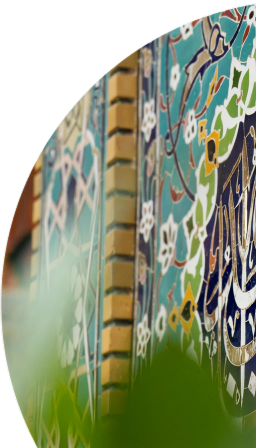
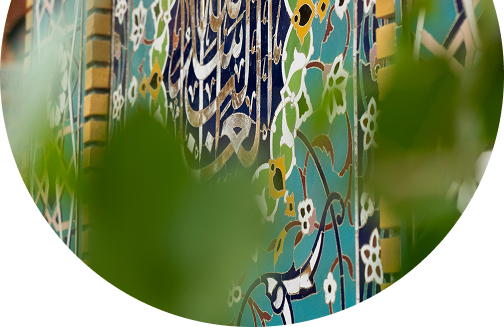
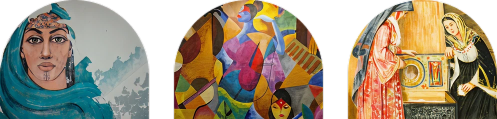
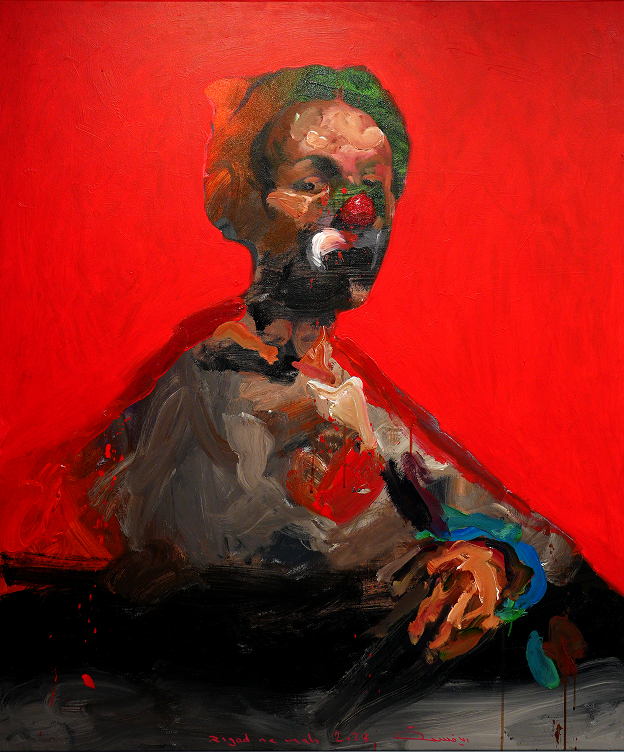
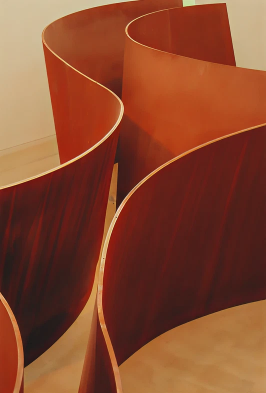
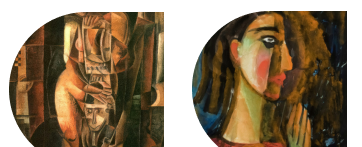
This period was heavily defined by regional political turmoil, most notably the 1967 Six-Day War (the Naksa or 'setback'), the Palestinian exodus, and the Lebanese Civil War. Art became a crucial tool for resistance, political commentary, and documenting human suffering. Existential angst and national trauma led to an emotionally charged, often somber, figurative expressionism.
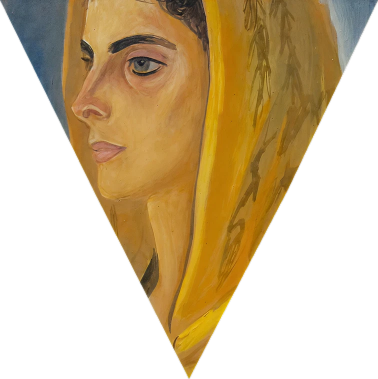
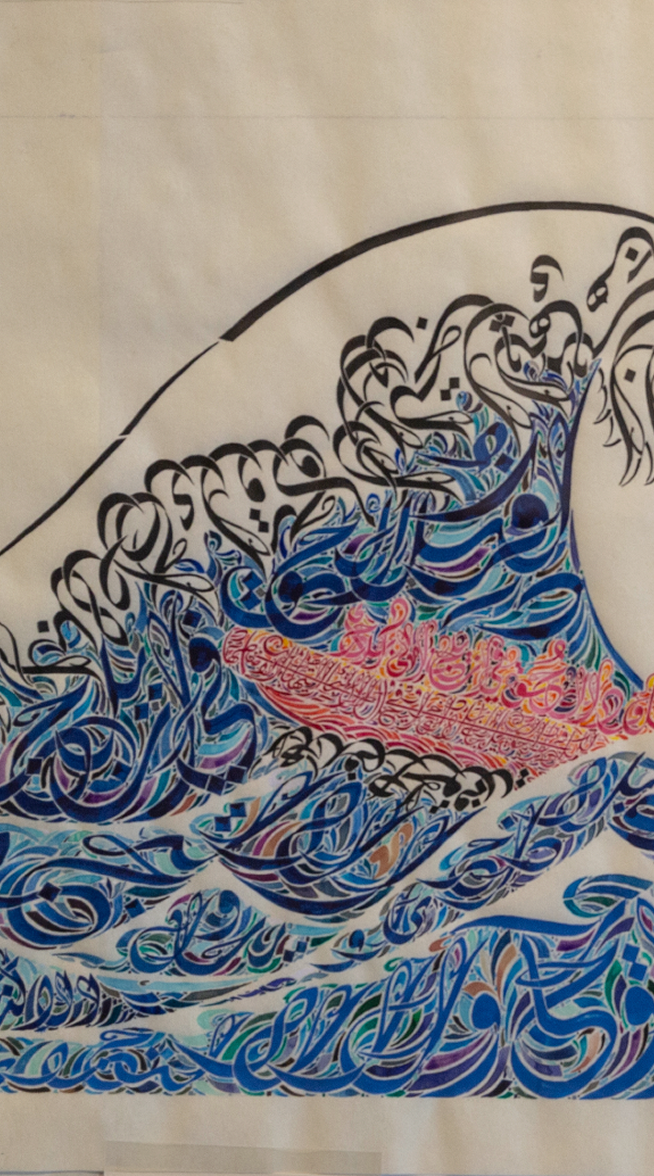
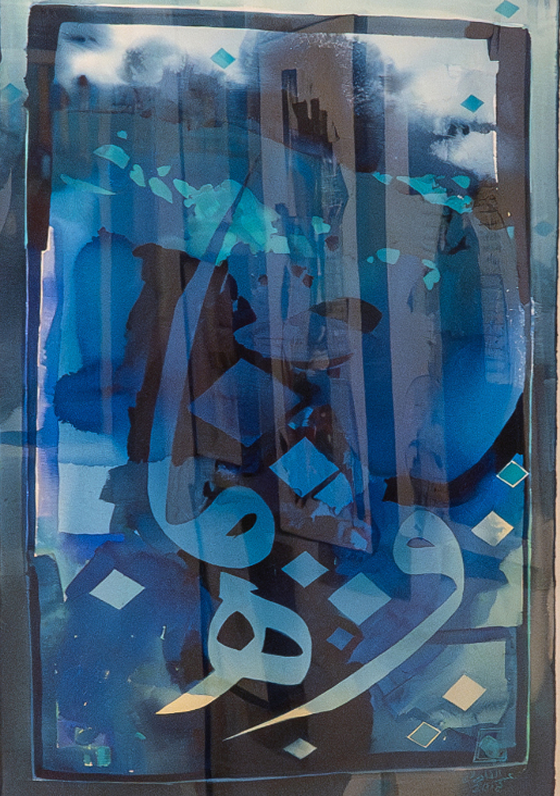
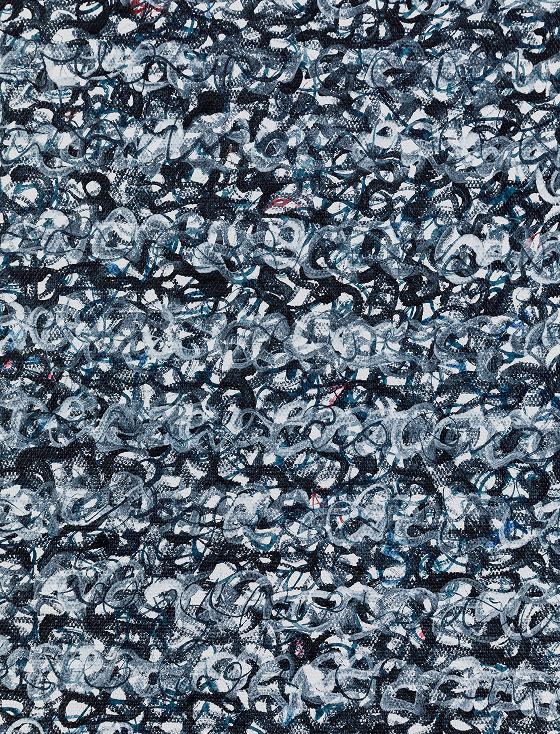
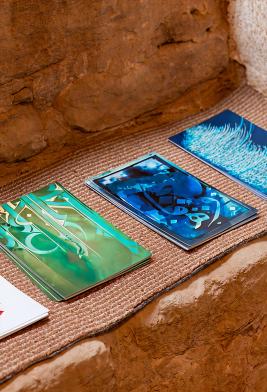
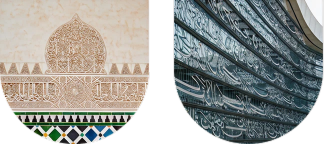
The Hurufiyya (Letterism) movement is arguably the most significant and cohesive modernist movement to emerge from the Arab world. Artists deconstructed Arabic calligraphy, liberating the letters from their linguistic and religious functions to use them as purely abstract, rhythmic, and visual elements. This allowed them to engage with global abstract expressionism while remaining deeply rooted in Islamic and Arab heritage.
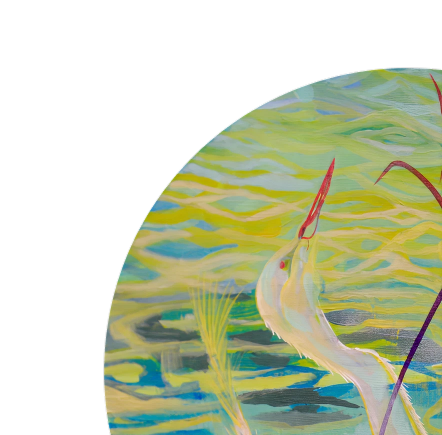
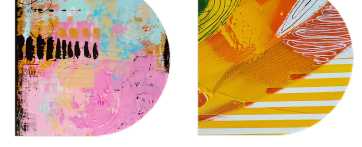
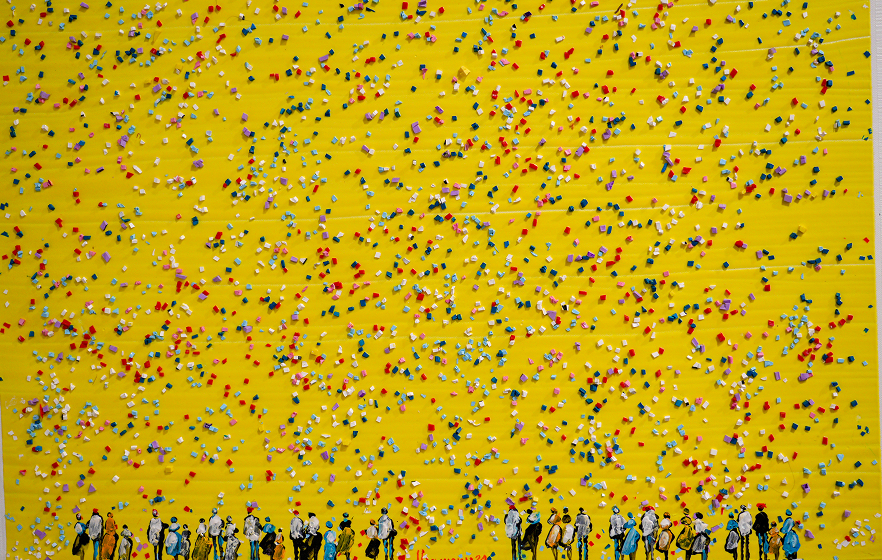
Driven by globalization, the diaspora experience, and new technologies, Arab art in this era expanded well beyond traditional painting and sculpture. It became heavily characterized by video, photography, installation, and performance art. Operating on a global stage, these artists tackle complex themes of post-colonialism, migration, memory, borders, and gender identity.
This helps us curate better recommendations for your taste


Drag & Drop your image here
or
This helps us curate better recommendations for your taste
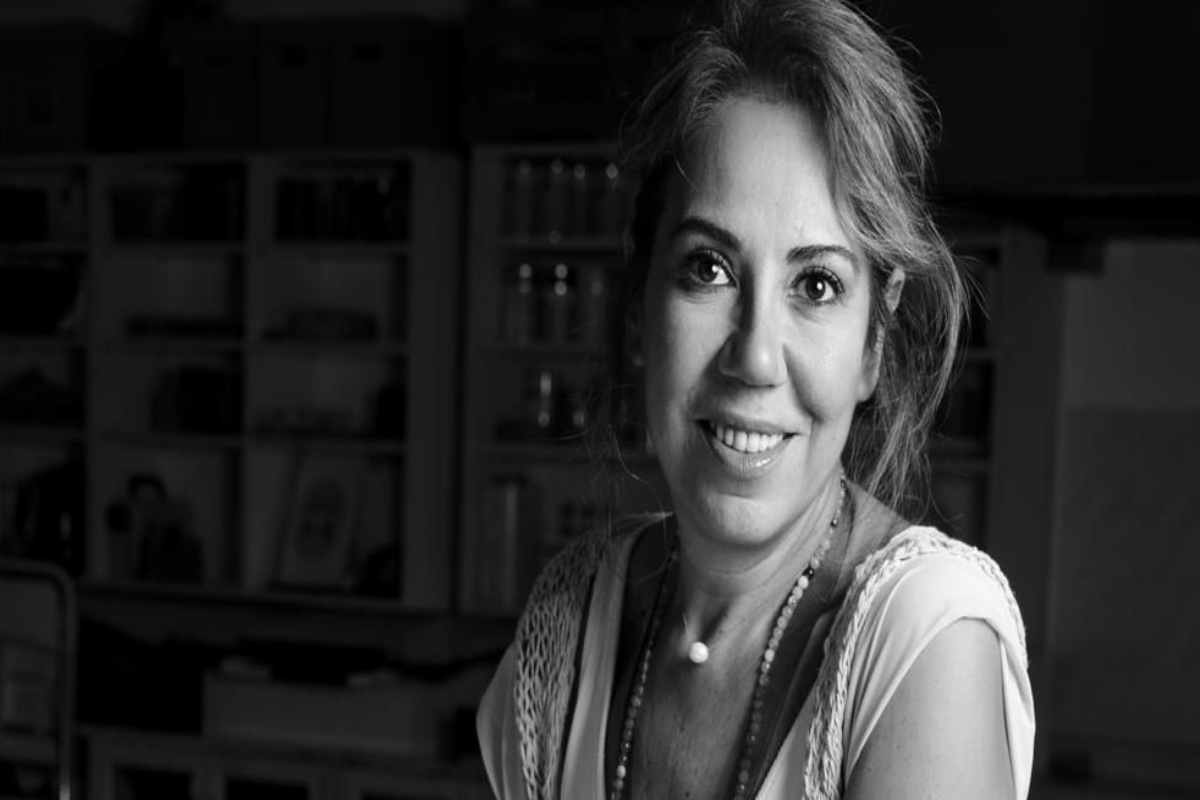
An interview with Journalist Tessy Koshy ,Independent writes Art, Culture & Human Interest Stories Editor @middleeastmasala Creator @powerofpagesbookclub Podcast Host
‘When you do things from your soul, you feel a river moving in you, a joy,’ Rumi.
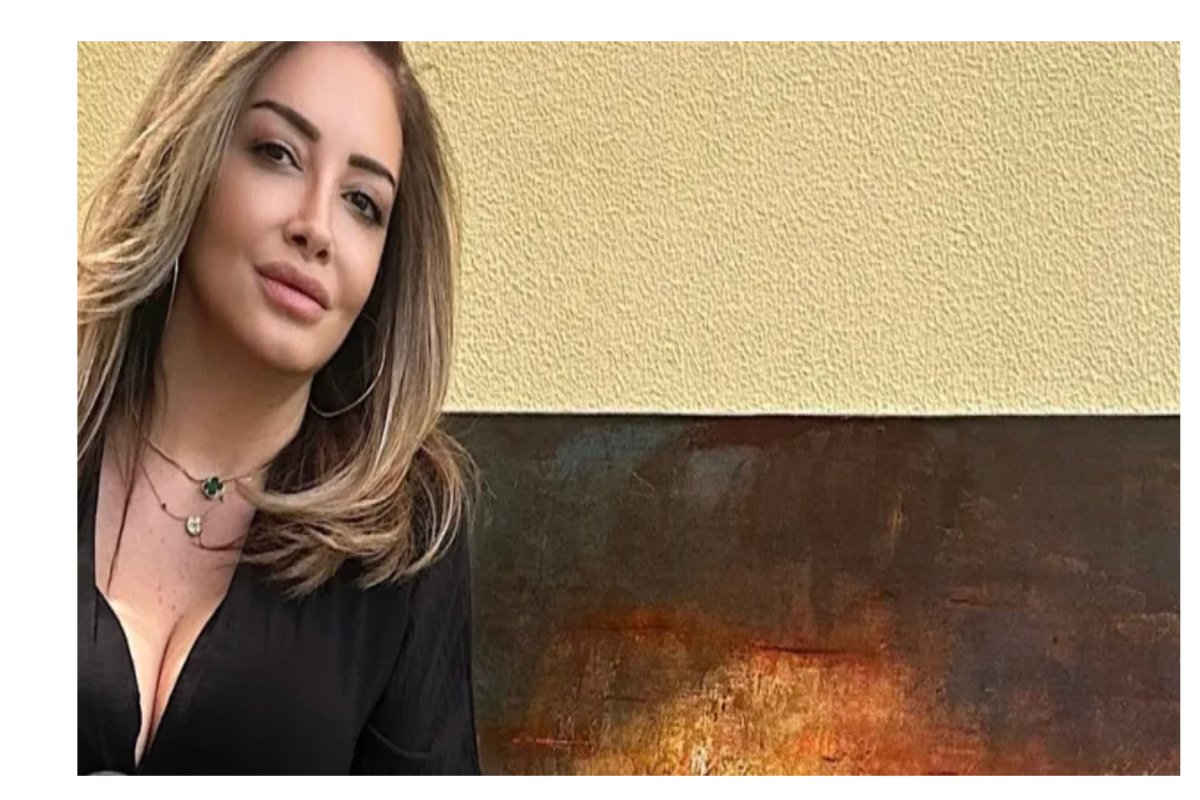
It took Dubai-resident, Rima Moukahal, half a decade to follow her soul’s voice and embark on an art journey in her fifties. First it was the civil war in Lebanon and then a long and successful corporate career that had forced her to put her artistic dreams on hold. Finally, it was her sheer determination, driven by her passion, that made her beat the odds and step out of corporate life to go back to study art in 2018. Today based in Dubai, Rima is a member of the prestigious art institution, Tashkeel, where in her art studio, she says, she uses colours, gestures, layers and movements to convey her emotions on her canvas.
She has been part of several local and international exhibitions. Her art work, Beirut 2020, an ode to the deadly port blast tragedy that stuck her homeland, is on display at the ongoing Made In Tashkeel, 2022 exhibition. She primarily works with acrylic, overlay with stucco and collages and has been experimenting with new techniques and mediums to move away from traditional canvases. In this conversation, Rima takes us deep into her soul to reveal chapters of her life:
What was your earliest association with art?
My first memory of art was of an early age while studying at the Italian school in Beirut where they had discovered my talent for painting. I was offered a summer scholarship to study art in Rome. Unfortunately, this opportunity was snatched away from my hands due to the civil war in Lebanon that year which lasted for nearly two decades. All other attempts in the following years to pursue art also did not succeed.
What made you switch from your corporate career to art? How difficult was the transition?
I believe doing what you love is not the same as loving what you do. In my corporate life I had reached a point where I was not feeling fulfilled anymore. I had stopped exploring new horizons. In 2018, I was unable to move out of bed due to severe sciatica. I realised my body was trying to speak to me by refusing to move and begging me for a change. Incidentally, it was also my 50th birthday and this propelled me to do what I had always dreamt of since childhood. From that moment onwards, I have been on this journey of joy creating art on a daily basis.
To others in similar situations, I would like to say that do not be afraid of change when choosing a new direction in your life. Listen to your heart and follow its whispers. The mind is a great deceiver, full of fear and ego. The heart’s voice is pure and honest. It directs us to where we need to be in our path for our growth and evolution.
How would you define your art? What elements from life inspire you?
My art is organic and genuine. It may be weighty and confusing at times, much like our human state of mind, but it reflects my feelings as an individual. Abstract is my tool for incorporating this depth into my artwork.
The stories we live might fade with time, but profound stains remain inside our bodies. Nothing is forgotten, nothing erased. My work is inspired by the remnants of life’s experiences. The colours I choose convey the sweetness and bitterness of the emotions felt. Textures and layers on my canvas represent the accumulation of events experienced and knowledge gained. Collages help me to heal wounds and put the pieces of my life back together. In the end for me one element leads to another and this fuels my creative process.
What motivates you to paint every day and what do you want people to take back from your work?
Art motivates me to wake up every morning. I was unwilling and separated from doing what I loved in my life for so many years. Now, I am on a daily date with my passion.
I aim to stimulate emotions and entice people to see how their feelings and reactions can be reflected in an artwork. I believe those who listen to their hearts will always be enlightened and guided by the divine.
Tell us about working in your art studio and being part of Tashkeel.
Tashkeel is a dream come true for emerging artists, and I am very fortunate to have found such a facility in Dubai. Being part of this institution has enhanced my overall art experience, especially having attended the workshops and courses on offer. It has a great environment for creatives where we are encouraged to explore a variety of disciplines. Equally engaging is their canteen where artists meet daily to exchange thoughts and share laughter.
For me, Tashkeel is like a second home today. And I want to take this opportunity to thank Sheikha Lateefa bint Maktoum, founder of Tashkeel, for her passion, leadership and sensibility towards art and artists.
 READ NEXT ARTICLE